Desmond's Lyrical Voice at Full Bloom
By 1968, Desmond had perfected the art of saying more with less — restraint as its own kind of eloquence.
By the time Paul Desmond recorded the sessions for Summertime, he had already spent years establishing himself as one of jazz's most distinctive voices. The alto saxophone in his hands was never about flash or speed; it was about phrasing, space, and a kind of conversational warmth that made even complex harmonic ideas feel natural and unhurried. This album, released on CTI in 1969, captures him working with material that allowed those qualities to breathe — standards and jazz compositions that gave him room to shape each note with care.
What matters most about Summertime is that it shows Desmond doing exactly what he did best, without any need to prove anything to anyone. The recording sessions from 1968 find him in a relaxed place musically, the kind of comfort that only comes after years of playing. There's no strain here, no attempt to sound younger or tougher or more contemporary than he was. The album sits comfortably in his catalog — not a radical departure, not a return from exile, but a straightforward statement of where his art had settled. CTI, the label that released it, was known for clean, accessible production values that let the soloists sit front and center without unnecessary orchestral dressing.
For listeners new to Desmond, this isn't necessarily the place to start — that honor belongs to his work with Dave Brubeck, where his voice first reached a wide audience. But if you already know who he is and appreciate what he was doing in the later part of his career, Summertime deserves your attention. It's the work of a musician who had earned the right to play on his own terms.
Who's playing
Ron Carterdouble bass
Frank Brunodouble bass
Herbie Hancockpiano
Joe Beckguitar
Bucky Pizzarelliguitar
Paul Desmondalto saxophone
Wayne Andretrombone
Paul Faulisetrombone
Urbie Greentrombone
J.J. Johnsontrombone
Bill Watroustrombone
Kai Windingtrombone
Idris Muhammaddrums
Jack Jenningspercussion
Airto Moreirapercussion
Mike Mainierivibraphone
Ray AlongeFrench horn
Jim BuffingtonFrench horn
Burt Collinsbrass
John Eckertbrass
George Margewoodwind
Tony MirandaFrench horn
Joe Shepleybrass
Marvin Stammbrass
Robert Tricaricowind instruments
Joe Venutomarimba
Where next?
More by Paul Desmond
All 28 albums →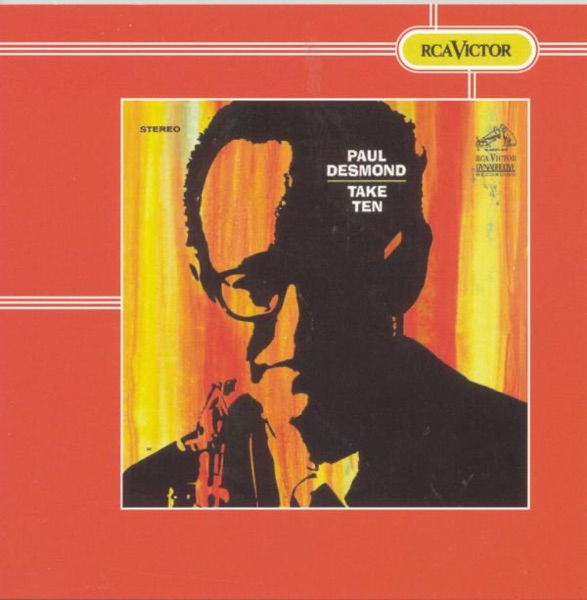
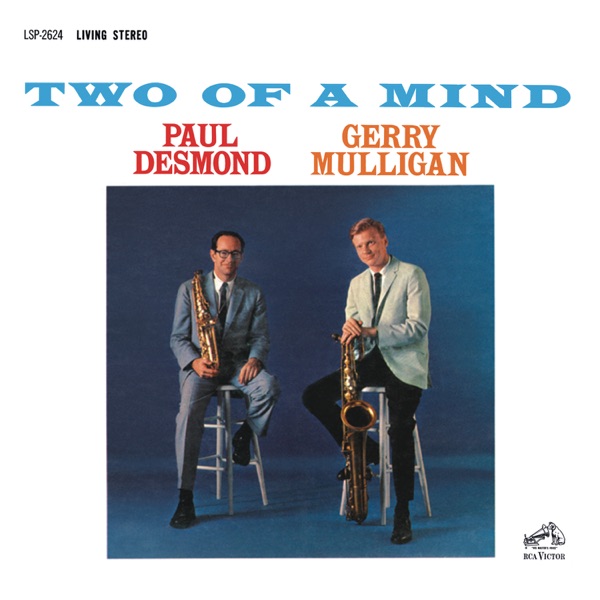
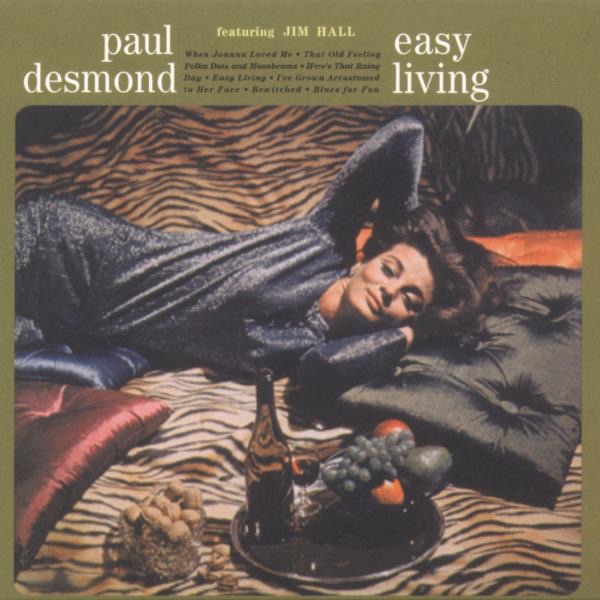
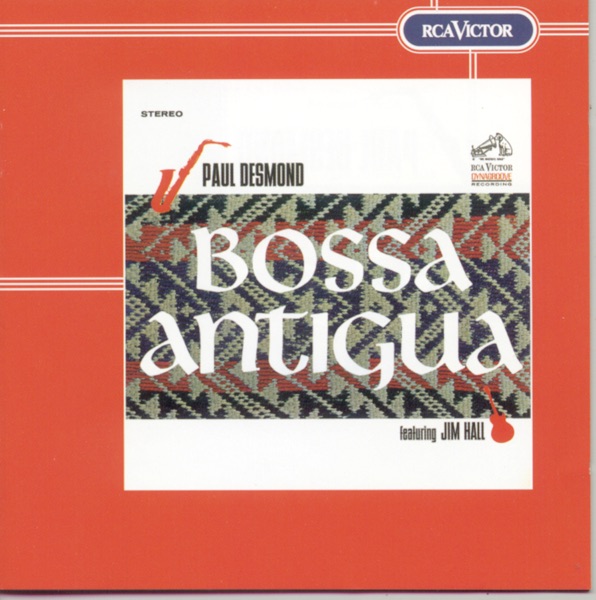
The musicians on this record
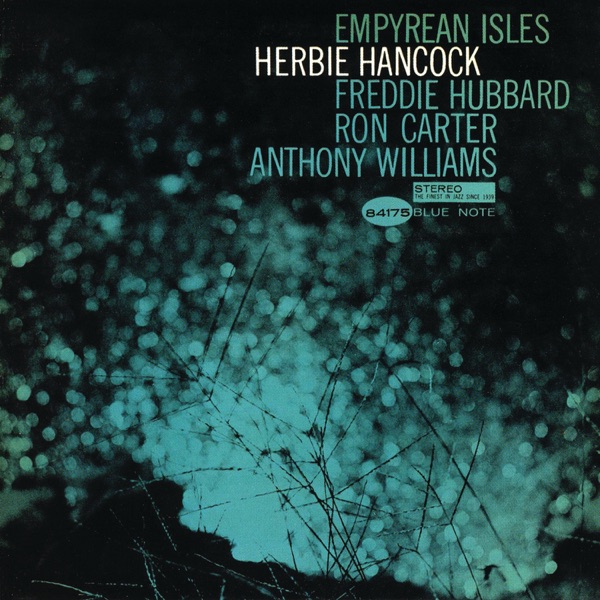
The Egg 1968
Herbie Hancock
plays piano here
plays piano here
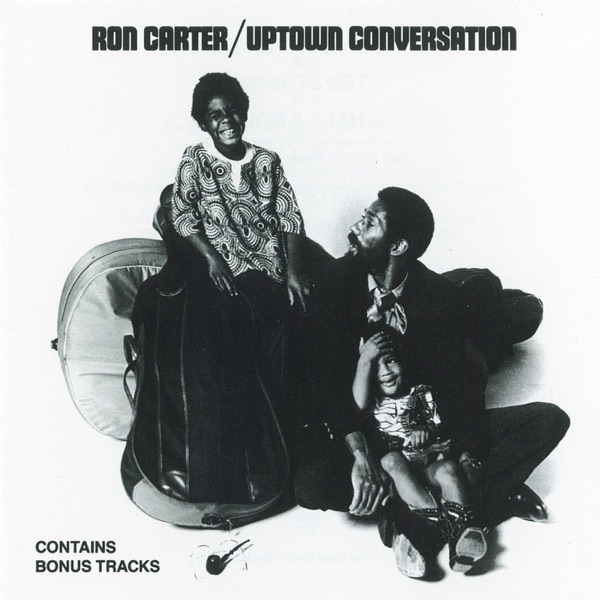
Uptown Conversation 1969
Ron Carter
plays double bass here
plays double bass here

Black Rhythm Revolution! 1971
Idris Muhammad
plays drums (drum set) here
plays drums (drum set) here
♫
Natural Feelings 1970
Airto Moreira
plays percussion here
plays percussion here