1945 · Album
The Complete Savoy & Dial Master Takes
Recorded 1944-1947 (various sessions) · Savoy Records and Dial Records · Produced by Various producers (Savoy and Dial sessions)

Bird in the Studio, Raw and Unfiltered
These are the takes that mattered most, captured when Parker's ideas were still forming.
This collection gathers Parker's most essential studio work from the mid-1940s, the period when he was essentially inventing modern jazz on the fly. The Savoy and Dial sessions represent two different moments in his creative arc, and both matter enormously. What you're hearing isn't polished performance art—it's a musician working through problems, finding his voice, occasionally stumbling, mostly soaring. The multiple takes let you sit inside his process in a way that finished albums never do.
The Savoy sides have this raw, almost desperate energy. The band is tight but not slick, and Parker's alto cuts through everything with a kind of focused intensity that feels genuinely dangerous. These recordings don't have the orchestral ambition or the careful arranging you'd hear later. What they have instead is immediacy. The Dial material shows him a bit further along, more confident in what he's doing, but still restless—still trying different approaches to the same tunes, still dissatisfied. Some takes are obviously superior to others, and that's the point. You get to see where the real version emerged from the workshop.
If you're new to Parker, this isn't the place to start. The sound is thin by modern standards, and without context these performances can feel scattered. Go to The Charlie Parker Story Vol. 1 (1945) or one of the later quintet records first. But once you understand what made Parker essential, come back here. This is where the thinking happened, where the revolution was actually being constructed. It's not his most beautiful work, but it's his most revealing.
Who's playing
Jimmy Buttsdouble bass
Curley Russelldouble bass
Clyde Hartpiano
Dizzy Gillespiepiano
Tiny Grimesguitar
Charlie Parkeralto saxophone
Miles Davistrumpet
‘Doc’ Westdrums
Max Roachdrums
Where next?
More by Charlie Parker

Charlie Parker with Strings 1949

The Genius of Charlie Parker 1946

South of the Border 1952

Compact Jazz: Charlie Parker 1987
The musicians on this record
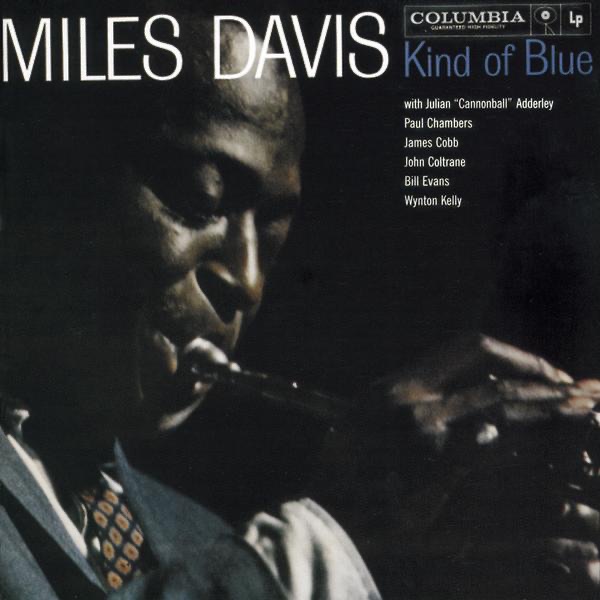
Kind of Blue 1959
Miles Davis
plays trumpet here
plays trumpet here

We Insist! Max Roach's Freedom Now Suite 1961
Max Roach
plays drums (drum set) here
plays drums (drum set) here

Groovin' High 1945
Dizzy Gillespie
plays piano here
plays piano here


