Parker Meets the Mercury Rhythm
Parker swings through Latin rhythms with an unhurried, playful ease that few of his bebop peers attempted.
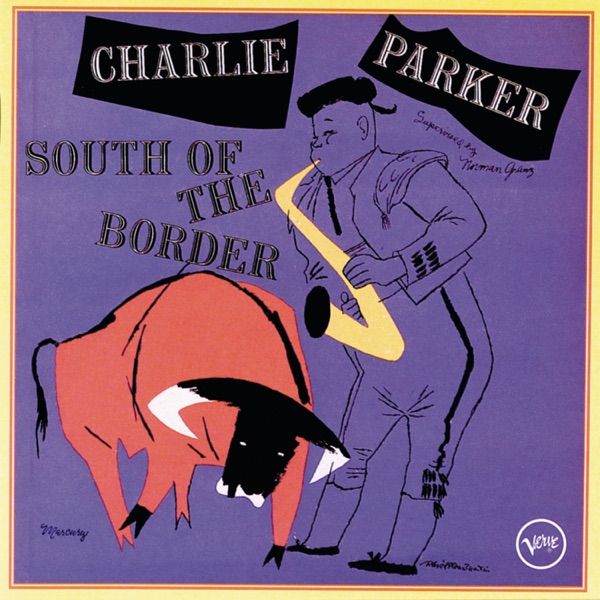
South of the Border opens with the bounce of congas and bongos, and Charlie Parker's alto sits on top of that rhythm like he's been playing Latin music all his life. The tempos are relaxed, the mood is warm, and the feel is closer to a dance hall than a bebop session. It is not the stripped-down intensity of his quintet records. Here the percussion is loud, the horns are bright, and Parker seems to be having fun with the format.
The session brings together a mix of players. Benny Harris takes trumpet duties alongside Parker, while Walter Bishop, Jr. handles piano and Teddy Kotick holds down the bass. Max Roach and Roy Haynes share the drum chair, and Luis Miranda and José Mangual add congas and bongos that drive the Afro-Cuban feel. The blend works because nobody is trying to force bebop onto the Latin material. The horns play melodies cleanly and the rhythm section keeps things loose.
As a Parker record, this is a minor entry rather than a centerpiece. AllMusic reviewer Stacia Proefrock gave it a solid rating, and the Penguin Guide to Jazz also rated it well. If you want Parker at his most essential, start with his Savoy and Dial sessions. But if you already know those and want to hear him in a lighter, more playful setting, this album is a worthwhile detour, especially for listeners curious about how bebop players approached Latin rhythms in the early 1950s.
Who's playing
Teddy Kotickdouble bass
Walter Bishop, Jr.piano
Charlie Parkeralto saxophone
Benny Harristrumpet
Roy Haynesdrums
Max Roachdrums
Luis Mirandacongas
José Mangualbongos
Where next?
More by Charlie Parker
Charlie Parker with Strings 1949
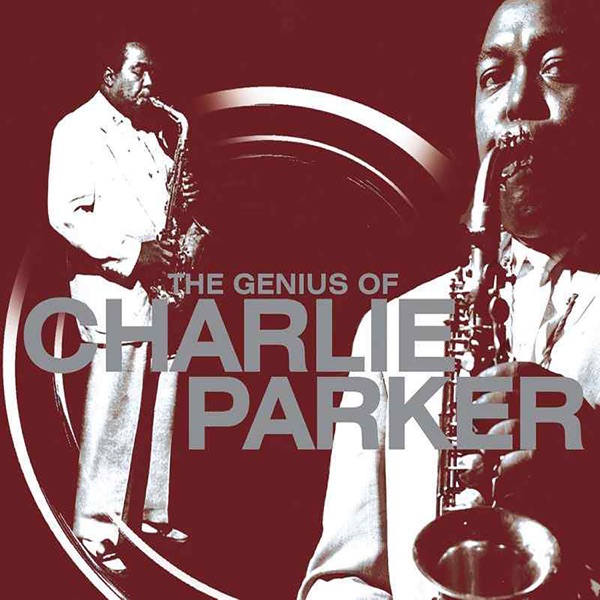
The Genius of Charlie Parker 1946

Compact Jazz: Charlie Parker 1987

Charlie Parker 1954
The musicians on this record
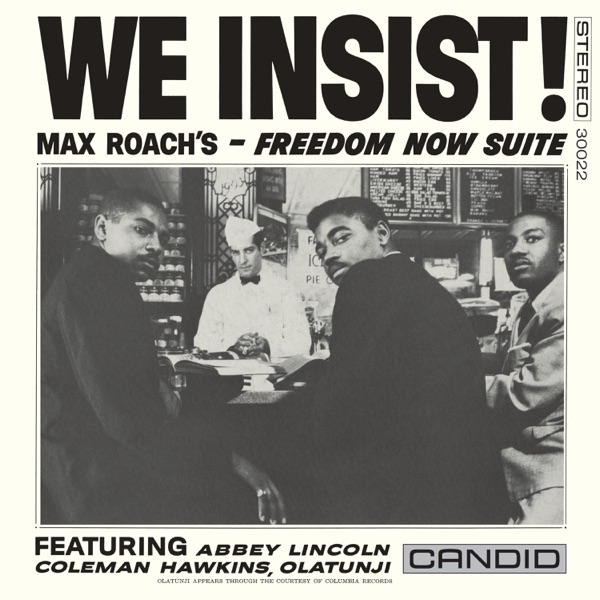
We Insist! Max Roach's Freedom Now Suite 1961
Max Roach
plays drums (drum set) here
plays drums (drum set) here

Question and Answer 1990
Roy Haynes
plays drums (drum set) here
plays drums (drum set) here