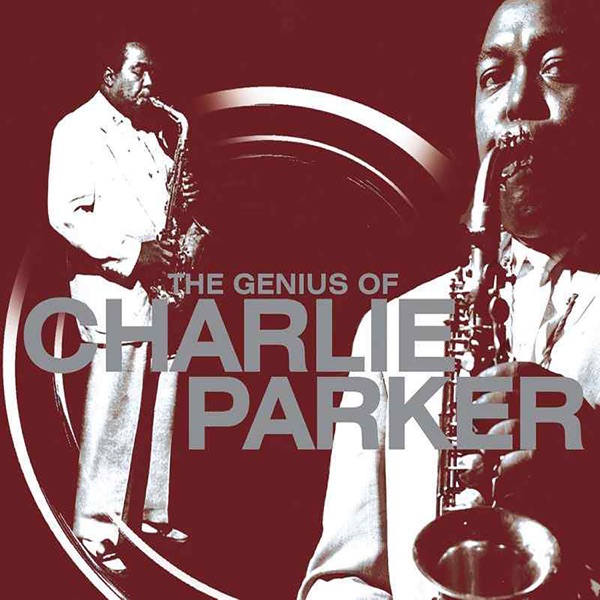
1946 · Album
The Genius of Charlie Parker
Recorded 1945-1948 · Dial Records · Produced by Ross Russell
Bird in Flight: Pure Invention at Its Peak
Parker plays like he's inventing the language as he speaks it, faster and more honest than anyone else.
Charlie Parker was already a legend by the time these sessions happened, but this album catches him at a moment where everything clicked. He's not trying to prove anything anymore—he's just playing, and that's what makes it dangerous. The solos don't feel like they're heading somewhere; they feel like they're discovering it in real time. Parker's alto saxophone cuts through with this urgent, almost conversational tone, like he's arguing a point you can't quite follow but absolutely believe anyway.
What separates this from his other work is how relaxed the whole thing sounds despite the complexity happening underneath. There's no strain, no sense that he's working too hard. The tempos vary enough to keep you off balance—you get fast burners where Parker's fingers barely seem real, but then he'll slow down and play with a tenderness that catches you by surprise. It's the sound of someone completely in control of his instrument, doing exactly what he wants without any of the usual jazz formality getting in the way.
If you're new to Parker, don't start here. His earlier recordings are more immediately gripping, more obviously revolutionary. But if you already know why people care about this guy, this album is essential—it's Parker when he'd stopped being a radical and just became himself. It's the sound of pure musical thought, which might be the rarest thing in jazz. Some of the takes are a bit rough around the edges, some longer than they probably needed to be, but that's actually part of the appeal. This is jazz that feels alive.