
A Trumpet Player Finding His Own Voice
Hubbard strips away pretense here, playing with the directness of someone who has something to prove.
By the time Freddie Hubbard made Straight Life (1970), he'd already played on enough classic sessions to coast. He'd been the bright young trumpet voice on Art Blakey's records, sat in with Ornette Coleman, recorded with Herbie Hancock and McCoy Tyner. But this album feels like him finally claiming the bandstand as his own, not as a hired gun or sideman filling a slot. The sound is cleaner and more direct than some of his earlier work—less filtered through the bebop language that defined his early career, more interested in what happens when you strip things down to the essentials.
The band here is tight without being slick. Joe Henderson on tenor saxophone brings a muscular, no-nonsense tone that matches Hubbard's approach. The rhythm section of Herbie Hancock on piano, Ron Carter on bass, and Lenny White on drums gives everything a modern edge while staying grounded. What makes this work is that nobody's showing off. The tunes breathe. Hubbard plays with restraint in places where younger players might've squeezed in another high note, and it makes the moments when he does open up hit harder. There's real conversation happening between the horns, actual trading of ideas rather than taking turns.
This isn't Hubbard's most celebrated album—that distinction belongs to recordings from earlier in his career—but it's an important marker of where he was heading. It's the sound of a player in his thirties, secure enough in his abilities to play simply, intentional about what he leaves out as much as what he puts in. If you want to understand how Freddie Hubbard matured as a bandleader and composer, this is essential listening.
Who's playing
Ron Carterbass
Herbie Hancockelectric piano
George Bensonguitar
Joe Hendersontenor saxophone
Freddie Hubbardtrumpet
Jack DeJohnettedrums
Richard Landrumpercussion
Weldon Irvinetambourine
Where next?
More by Freddie Hubbard
All 13 albums →


The musicians on this record
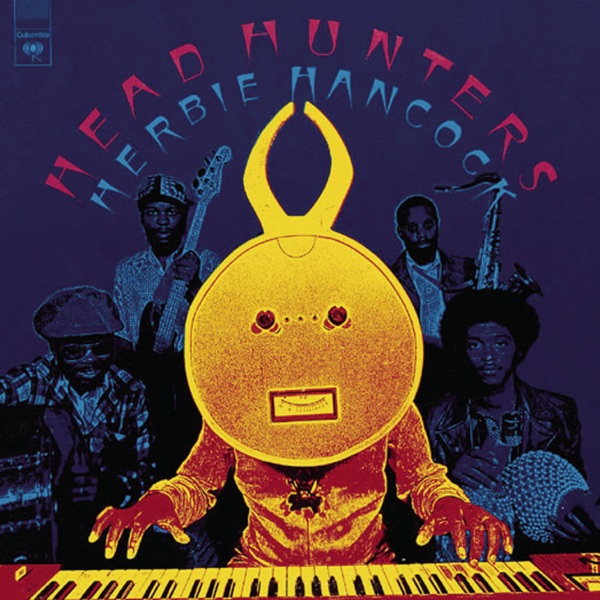
Head Hunters 1973
Herbie Hancock
plays electric piano here
plays electric piano here

In Flight 1977
George Benson
plays guitar here
plays guitar here

Power To The People 1969
Joe Henderson
plays tenor saxophone here
plays tenor saxophone here

Uptown Conversation 1969
Ron Carter
plays bass here
plays bass here


