
When a Guitar Meets an Orchestra
Guitar Forms arrived fully formed in 1965, and critics noticed immediately.
Kenny Burrell made Guitar Forms (1965) at a point in his career when he'd already proven himself as a reliable, swinging guitarist across countless sessions. What made this album different was the decision to frame his playing against Gil Evans' orchestral arrangements. Evans brought five tracks into full orchestral territory, most ambitiously on the nearly 10-minute "Lotus Land," where Burrell's guitar had to hold its own against a full ensemble. Three blues numbers kept things grounded in small-group interplay, and a solo piece called "Prelude #2" gave Burrell space to think alone. The range of approaches—big band, intimate combo, solo reflection—suggested this wasn't just another guitar album but something worth sitting with from different angles.
The record found its audience fast. DownBeat gave it five stars, the highest possible rating. The album itself earned Grammy nominations in 1966 for Best Instrumental Jazz Performance by a Large Group and Best Album Cover, while Evans picked up a nomination for his arrangement of "Greensleeves." These weren't participation trophies—getting nominated for album cover photography meant the whole project, not just the music, landed as intentional and complete. The Penguin Guide to Jazz Recordings rated it 3.5 out of 4, which feels right for a record that works without overreaching.
What matters is that Guitar Forms arrived as a statement about what Burrell could do when given room to stretch. It wasn't his debut or his only collaboration with Evans, but it was the one that made critics and the Recording Academy take notice. For listeners curious about Burrell beyond his Blue Note sessions or his work as a sideman, this is the album that shows why orchestral arrangers wanted to write for him.
Who's playing
Joe Benjamindouble bass
Ray Beckensteinbass clarinet
Ron Carterdouble bass
Robert Tricaricobassoon
Roger Kellawaypiano
Kenny Burrellguitar
Lee Konitzalto saxophone
Steve Lacysoprano saxophone
Johnny Colestrumpet
Louis R. Muccitrumpet
Jimmy Clevelandtrombone
Jimmy Kneppertrombone
Andy Fitzgeraldflute
George Margeflute
Grady Tatedrums
Elvin Jonesdrums
Charlie Persipdrums
Willie Rodriguezcongas
Ray AlongeFrench horn
Bill Barbertuba
Richie Kamucaoboe
Julius WatkinsFrench horn
Where next?
More by Kenny Burrell

Introducing Kenny Burrell 1956
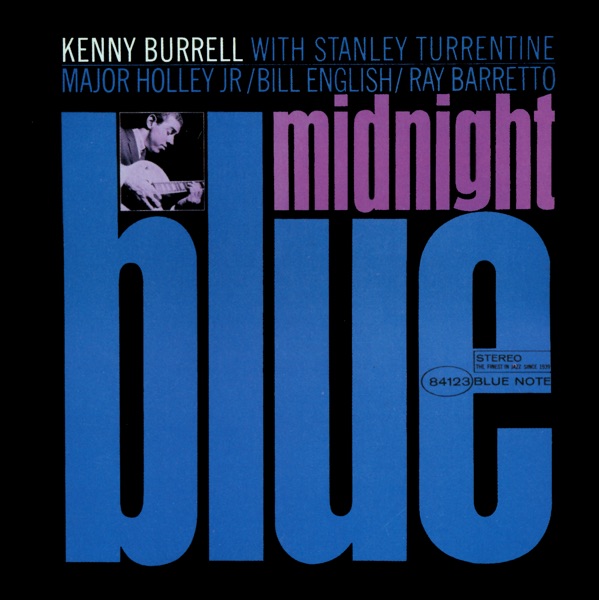
Midnight Blue 1963
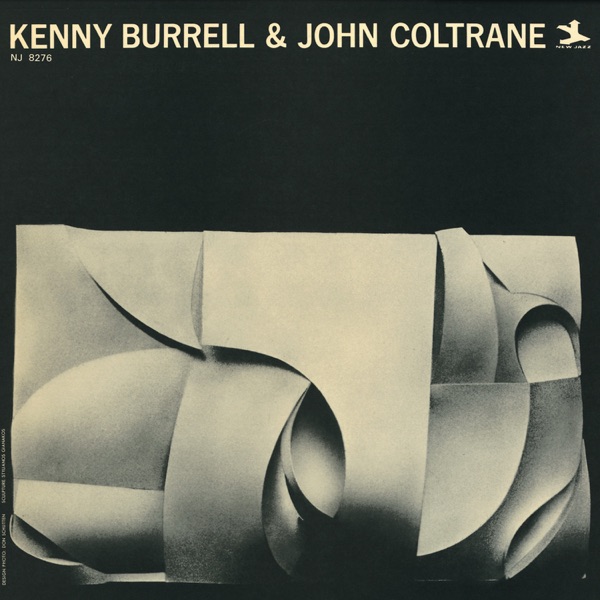
Kenny Burrell & John Coltrane 1963
♫
Jazzmen: Detroit 1956
The musicians on this record

Dear John C. 1965
Elvin Jones
plays drums (drum set) here
plays drums (drum set) here

Dear Miles, 1962
Ron Carter
plays double bass here
plays double bass here
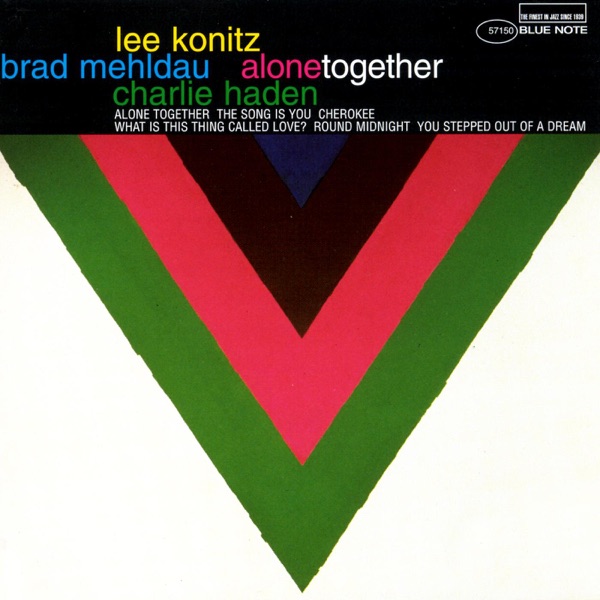
Alone Together 1959
Lee Konitz
plays alto saxophone here
plays alto saxophone here


