1962 · Album
Bluesey Burrell
Recorded 1962 · Columbia Records · Produced by Produced by John Hammond

Blues in the Studio, Straight from the Heart
Burrell lets the blues speak first, guitar second—no showmanship, just honest playing.
Bluesey Burrell arrived in 1962 as a straightforward statement: Kenny Burrell playing blues standards and originals in a small-group setting, recorded live in the studio with minimal arrangements and maximum swing. The session was built around what Burrell did best—a guitarist who could lock into a groove, comp cleanly behind a horn player, and take a solo that told a story without unnecessary flourish. This was the mid-Atlantic soul-jazz sound of its moment: blues forms, walking bass, drums keeping time without fuss, and a bandleader content to be one voice in the conversation rather than the loudest.
What distinguishes this record from Burrell's other work is its deliberate restraint. Unlike some of his more ambitious Blue Note sessions, Bluesey Burrell doesn't try to be clever. The tunes are mostly familiar blues changes, and the appeal lies in how the band interprets them—with taste, pocket, and genuine swing. Burrell's guitar tone is warm and direct, the kind of sound that comes from knowing exactly what you want to say and saying it without hesitation. The rhythm section keeps everything rooted and grounded, never pushing, never rushing.
This isn't Burrell's most celebrated work, and that's partly because it doesn't demand attention the way a conceptual album or a featured showcase might. But for listeners who want to hear what soul-jazz sounded like when it wasn't trying to prove anything—when competent players simply gathered to play well-written blues—this record delivers. It sits comfortably in Burrell's catalog as a solid, unadorned example of American jazz at a moment when underground swing still mattered.
Who's playing
Major Holleybass
Tommy Flanaganpiano
Kenny Burrellguitar
Coleman Hawkinstenor saxophone
Eddie Lockedrums
Ray Barrettocongas
Where next?
More by Kenny Burrell

Introducing Kenny Burrell 1956
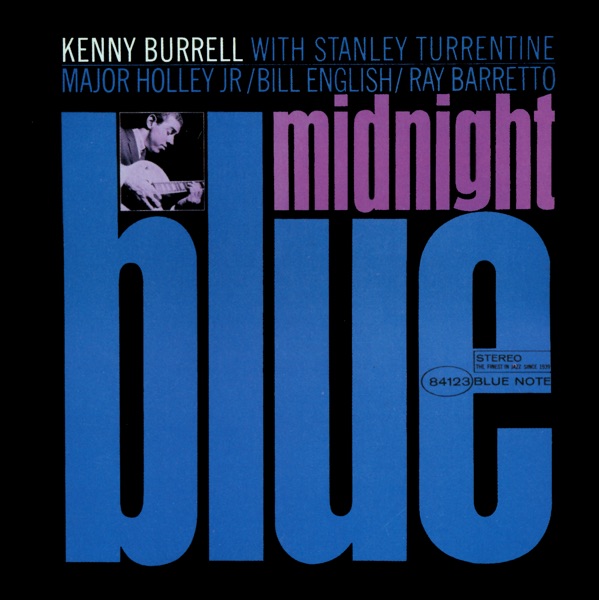
Midnight Blue 1963
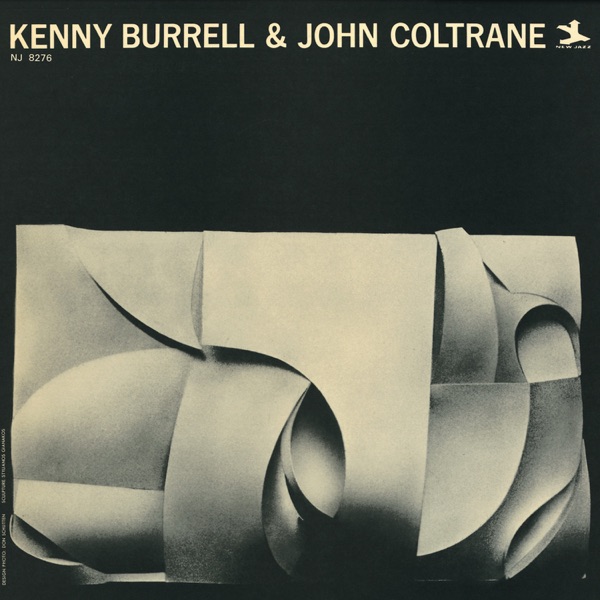
Kenny Burrell & John Coltrane 1963
♫
Jazzmen: Detroit 1956
The musicians on this record

Duke Ellington Meets Coleman Hawkins 1963
Coleman Hawkins
plays tenor saxophone here
plays tenor saxophone here

The Magnificent Tommy Flanagan 1960
Tommy Flanagan
plays piano here
plays piano here


