The Voice That Housed Bebop
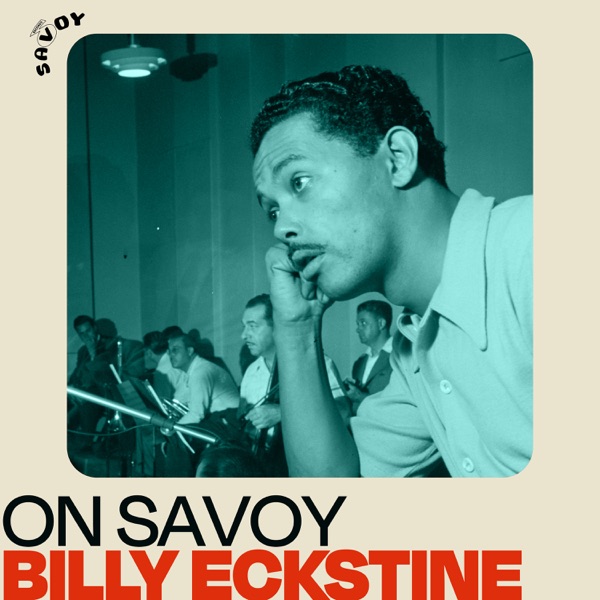
Here's the thing about Billy Eckstine that gets lost: he had one of the great male voices in American popular music, a rich baritone with a vibrato you could set a watch by, and he used that voice and the popularity it earned him to bankroll the strangest, most forward-thinking big band of the 1940s. Most bandleaders chase what's selling. Eckstine chased what was interesting, and for a few years in the mid-40s that meant hiring Dizzy Gillespie and Charlie Parker straight out of the Harlem after-hours scene and putting bebop, still a dirty word to a lot of swing fans, on stages across the country.
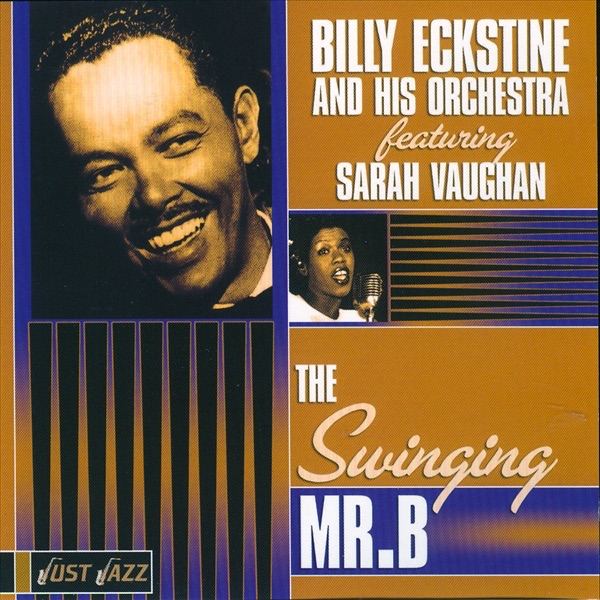
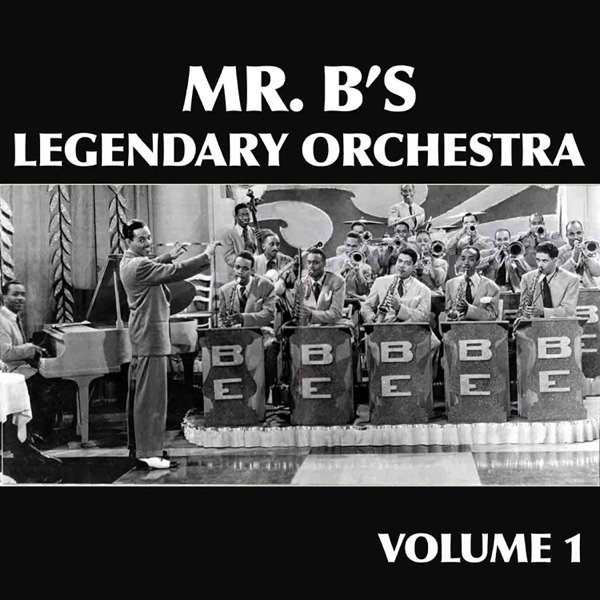
He'd come up singing with Earl Hines, and it was Hines who gave him the platform and, indirectly, the connections that let him assemble his own band in 1944. That band is legendary now for who passed through it — Parker, Gillespie, Sarah Vaughan on vocals, Art Blakey on drums, Fats Navarro and Dexter Gordon at various points — but at the time it was a commercial gamble that mostly didn't pay off. Bebop was too jagged for dance floors, and a band that size was expensive to keep on the road. Eckstine kept it going anyway, on the strength of his own drawing power as a singer, for a few remarkable years before the economics finally won.
When the band folded he did what made sense: he went solo and became a pop star. "Cottage for Sale" and "Prisoner of Love" made him one of the first African American singers to be marketed as a genuine matinee idol, teen-magazine photos and all, which was its own kind of quiet barrier-breaking in the mid-1940s. Records like Billy Eckstine's Imagination (1954) show what the voice could do once it wasn't fighting for space over a fifteen-piece bebop orchestra — unhurried, dark, a little melancholy even on love songs.
People sometimes file him as a novelty footnote to the bebop story, the guy who happened to employ Bird and Diz for a minute. That undersells him badly. He had real musical judgment — you don't accidentally hire that many future giants — and he had the nerve to put his own career on the line for music he believed in before anyone else would pay for it. The voice alone would have made him worth remembering. The band makes him essential.