Billy Eckstine Swings Into the Rhythm Section
Eckstine trades the big band for a tighter groove, letting his bass-baritone breathe over modern rhythm support.
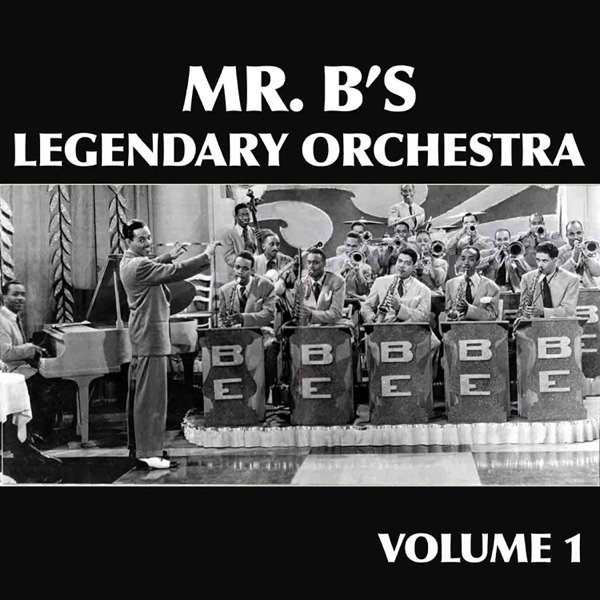
By 1955, Billy Eckstine had already proven himself as a bandleader and vocalist of considerable reach—his influence on singers across multiple generations was secure. Mr. B. With a Beat finds him at a turning point: stepping back from the full orchestra sound that had defined much of his career and working instead with a compact, swinging rhythm section. The album shows Eckstine adapting to a leaner aesthetic without losing the suave elegance his voice commanded.
The material here leans toward standards and popular songs, the kind of material that suited his gift for phrasing and tonal warmth. What matters most is how the smaller group setting reshapes the listening experience. Without the architectural grandeur of a big band, Eckstine's voice sits closer, more intimate. The rhythm section has room to push and pull, and Eckstine meets them there—not dominating, but conversing. This is not bebop experimentation; it is a mature singer applying his skills to a working bandstand format.
The album occupies a specific place: not essential to understanding Eckstine's peak years as a bandleader, but useful for hearing how he adapted when the commercial landscape shifted. Listeners already fond of his ballad work will find Mr. B. With a Beat a natural extension of what made him compelling—the voice remains the anchor, richer and more assured than ever.