The Final Session of Mr. B
At 72, Eckstine's voice had faded, but his phrasing and instinct remained intact.
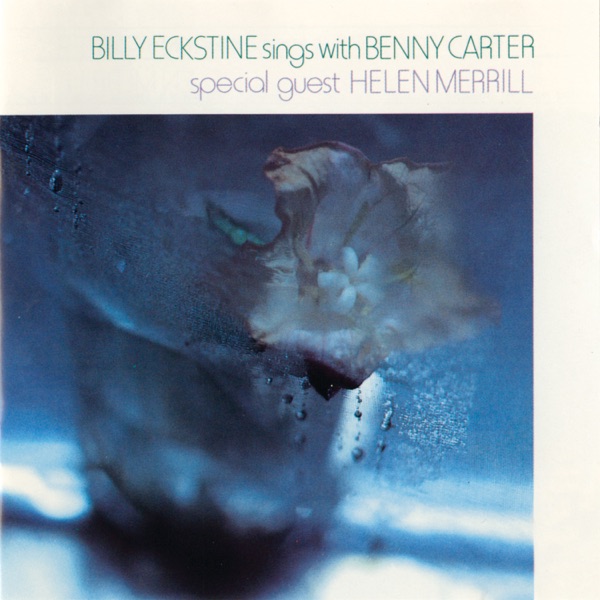
This was Eckstine's last recording, made when he was 72 and his voice had largely abandoned him. That fact hangs over every track. His famous baritone, which once commanded rooms with effortless authority, now sounds hollowed out—he'd lost most of his lower range, and what remained was thin and uncertain. You can hear him reaching for notes that no longer sit comfortably in his instrument. It's uncomfortable in places, genuinely difficult to listen to, because you're hearing a great singer confront the simple fact of aging.
But here's what matters: his phrasing never abandoned him. His sense of time, his feel for a lyric, his jazz instincts—all still there. Benny Carter on alto and trumpet sounds exactly as he should at this stage, settled and authoritative, never showing strain. The rhythm section—Bobby Tucker on piano, Paul West on bass, and Vernell Fournier on drums—holds everything steady and swinging. Carter's trumpet solo on "September Song" is a particular highlight, crisp and unrushed.
Helen Merrill joins Eckstine on the opening and closing tracks, and her presence rescues those moments from being purely melancholic. The album doesn't hide what's happened to Eckstine; it documents it honestly. For longtime listeners, it's a difficult record—a farewell that acknowledges decline rather than pretending it doesn't exist. It's not his peak. It's not the place to start. But it's a genuine artifact of an artist on the other side of a long career, still swinging when he could.
Who's playing