Two Tenors, One Voice
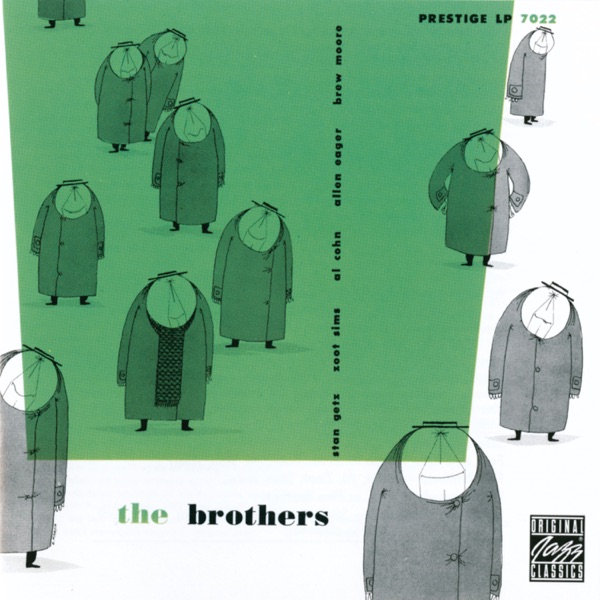
Al Cohn came up through the big bands — Woody Herman's Second Herd being the one that really put him on the map in the late 1940s. He was one of the Four Brothers, the saxophone section that defined a particular cool, slightly reedy sound that Woody was after. But Cohn was never just a section player. His solos had logic and warmth, a kind of unhurried authority that made you feel like he knew exactly where he was going even when he was improvising freely.
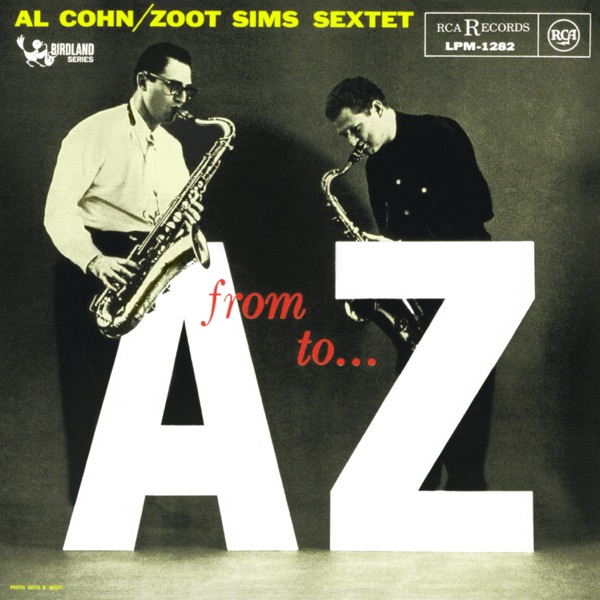
The friendship and musical partnership with Zoot Sims is the thing most people know him for, and fair enough — those two together were something genuinely special. They had similar tones but different personalities. Sims was a little more extroverted, Cohn a little more deliberate. When they played off each other, it sounded less like competition and more like two people finishing each other's sentences. Their recordings together, including Al and Zoot (1957), hold up beautifully because neither guy is trying to outrun the other.
Cohn's playing fits somewhere between the swing era and bebop without really belonging fully to either. He had the rhythmic vocabulary of bop but the melodic generosity of the swing tenors. He wasn't chasing sheets of sound or pushing harmonic limits — he was playing songs, making them feel inevitable. His tone was full without being heavy, and he phrased with a kind of natural ease that took serious craft to pull off. You don't get that relaxed without having done a lot of work.
He was also a respected arranger and composer, which tends to get mentioned briefly and then dropped. But it matters. His writing sensibility fed back into his playing — he thought in terms of structure and voice, not just solo lines. He wrote for a number of artists over the years and his charts for Woody Herman showed he understood how to make a band sound like something more than the sum of its parts.
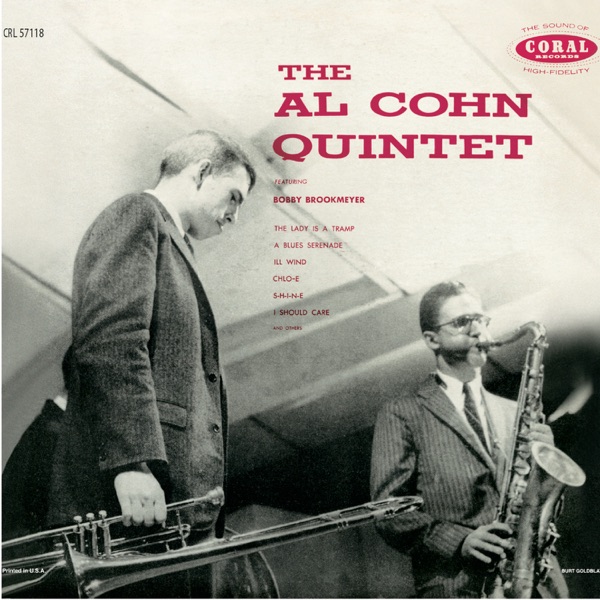
If you're coming to Cohn fresh, don't overthink the entry point. Al and Zoot (1957) is an obvious start and it earns that reputation. But also look for his small group sessions as a leader — they show you a player who was completely himself, without needing a sparring partner to bring it out. He never chased trends or reinvented his approach to seem relevant. He just kept playing well, which turned out to be more than enough.