Early Cohn: Two Sessions Across Three Years
Hot and cool, vigorous and lithe—Cohn stretches out with bebop's best players.
By 1956, when Savoy compiled Tones, Al Cohn was already establishing himself as a saxophonist and arranger who could swing hard without losing control. This collection draws from two separate sessions—one from 1950 and another from 1953—and that three-year gap matters. It shows a player still finding his voice, trying different temperatures and tempos. The earlier tracks have a sharper edge; the later ones show more ease, a deepening confidence. Cohn wasn't trying to sound revolutionary. He was trying to sound good, to find the middle ground between bebop's restless energy and a kind of lyrical directness that would become his trademark.
What makes this worth hearing is the company and the playing itself. Cohn works with strong players throughout, and the up-tempo swingers—which dominate the program—let him demonstrate real control over phrasing and tone. He's not chasing extended harmonies or pushing rhythm section players into unfamiliar spaces. He's using the standards and originals as vehicles for straight-ahead, intelligent playing. The sessions feel unhurried, the arrangements clear-headed.
This is early-career Cohn, which means it's useful mainly for listeners building a full picture of him or for anyone curious about a solid tenor saxophonist working in bebop's aftermath. It's not his peak, and it won't reshape your understanding of the era. But it's honest work by someone who understood how to play and how to write, recorded with musicians who knew what they were doing.
Who's playing
Curley Russellbass
Tommy Potterbass
Horace Silverpiano
George Wallingtonpiano
Al Cohntenor saxophone
Nick Travistrumpet
Max Roachdrums
Tiny Kahndrums
Where next?
More by Al Cohn
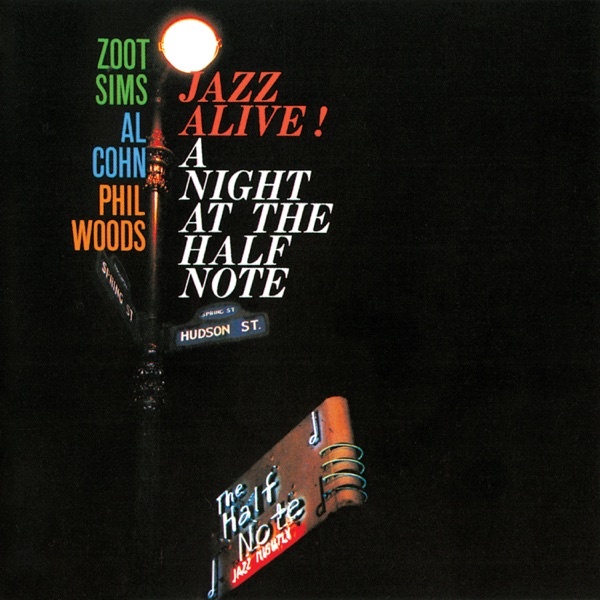
Jazz Alive! A Night at the Half Note 1959

The Four Brothers… Together Again! 1957
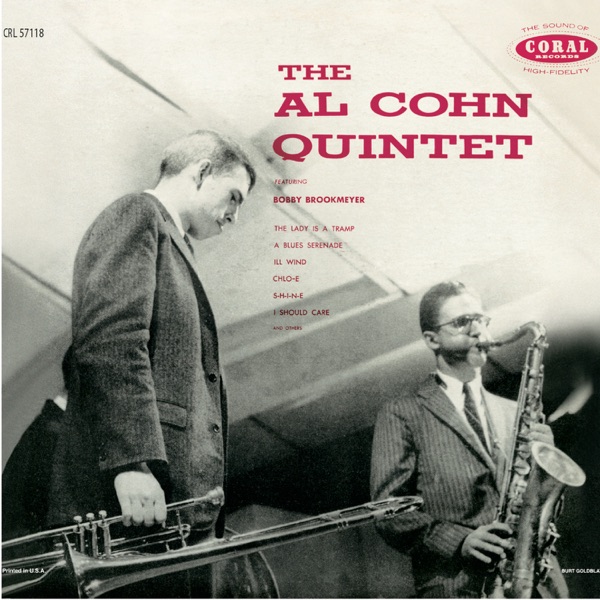
The Al Cohn Quintet 1956
Cohn on the Saxophone 1956
The musicians on this record

Blowin' The Blues Away 1959
Horace Silver
plays piano here
plays piano here

Deeds, Not Words 1958
Max Roach
plays drums (drum set) here
plays drums (drum set) here



