1957 · Album
The Four Brothers… Together Again!
Recorded 1957 · Vik Records (RCA subsidiary) · Personnel: Herbie Steward, Al Cohn, Zoot Sims, Serge Chaloff (saxophones)

Four Reeds, One Sound, Pure Swing
The saxophonists sounded as one together but went their merry way when playing alone.
The Four Brothers were a phenomenon of the early 1950s — four tenor and baritone saxophonists who could blend into a single voice or step forward as individuals. By 1957, when they reconvened for The Four Brothers... Together Again! (1957), they were no longer kids proving themselves. Herbie Steward, Al Cohn, Zoot Sims, and Serge Chaloff were seasoned players with their own followings, recording for Vik, RCA's jazz subsidiary. The session captured something both nostalgic and immediate: here was a reed section that could harmonize with the precision of a horn section, then split apart into four competing voices without losing a thread of musicality.
What made this work was restraint. They didn't oversell the blend or layer it with strings or rhythm tricks. The emphasis fell on what the saxophones themselves could do — unison passages that locked tight, solos that stood on individual character, and a shared understanding of swing that needed no announcement. Cohn's darker tone anchored the ensemble while Sims floated on top; Steward held the middle ground; Chaloff's baritone gave everything weight. Marc Myers, reviewing for All About Jazz, heard a "superb album that shows off the enormous reed work of four seasoned swingers," and noted that the approach to blended harmonies and Young-like textures would become a blueprint for West Coast jazz in the years ahead.
This isn't a landmark record in the way Kind of Blue (1959) would be. It's tighter in scope, more modest in ambition. But it's also a record that knew exactly what it was doing — four masters of a specific sound, playing one more time before the moment passed. For anyone interested in how the small-group saxophone section actually worked in the 1950s, this is essential.
Who's playing
Where next?
More by Al Cohn
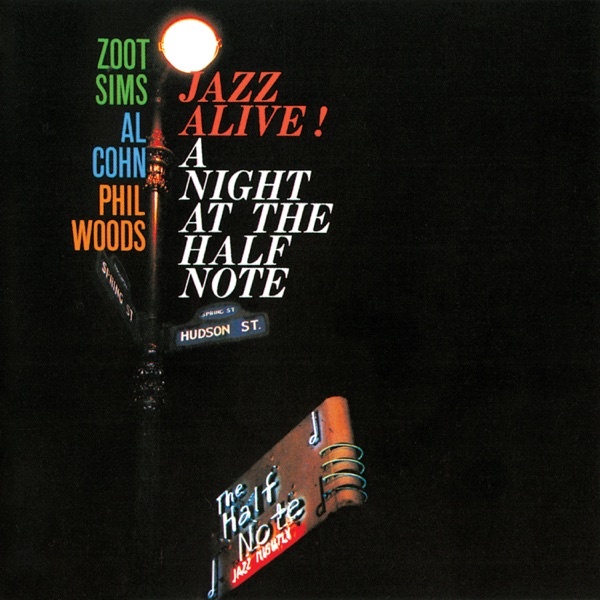
Jazz Alive! A Night at the Half Note 1959
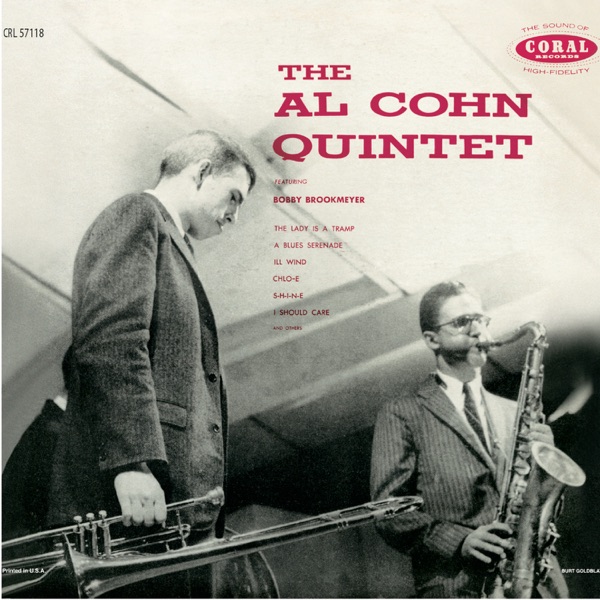
The Al Cohn Quintet 1956
♫
Al Cohn’s Tones 1956
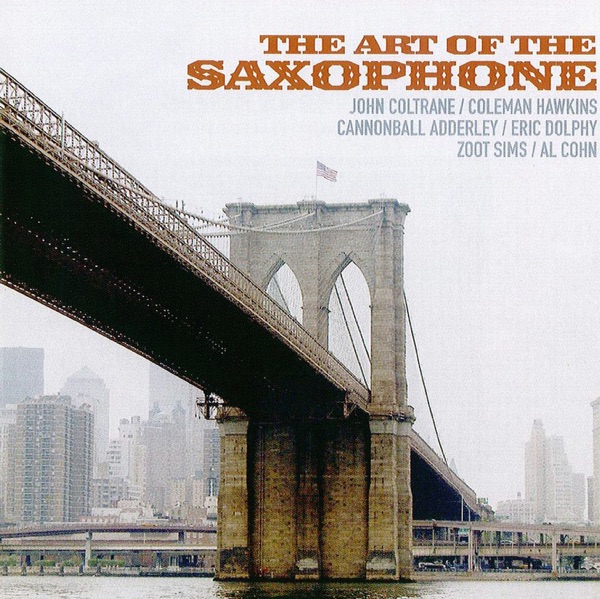
Cohn on the Saxophone 1956
The musicians on this record
Their own records, close in time



