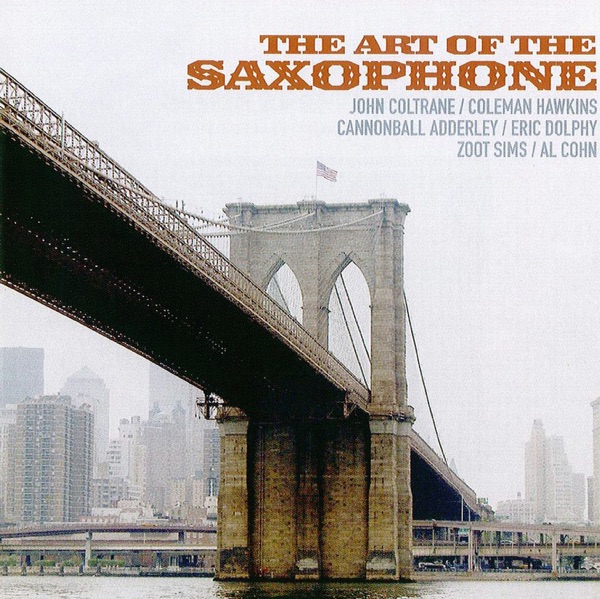
Al Cohn Blows Straight and True
Cohn plays it direct and unfussy, letting his tenor do the talking without ornament or pretense.
Al Cohn arrived at the Dawn Records session in 1956 with a clear idea: strip things back and let the saxophone speak. No elaborate arrangements, no production flourishes. Just a working musician and his horn, supported by a rhythm section ready to lock in and swing. The result is Cohn on the Saxophone, a record that sits comfortably in the mainstream jazz tradition without trying to reinvent it.
Cohn's tenor is warm and direct throughout, moving between bebop lines and a more lyrical side without fanfare. He doesn't overplay, and that restraint is the album's strength. On the ballads especially, there's a conversational quality to his tone — he's not trying to impress you with technique alone, but with phrasing that feels lived-in and honest. The rhythm section keeps things moving at a professional clip, nothing showy, just solid support for what Cohn wanted to do.
This is straightforward blowing session territory, the kind of record that defines a good journeyman saxophonist at work. It's not a landmark or a turning point in Cohn's career, but it's the sound of someone who knew his instrument and his idiom inside out, content to document that knowledge without self-consciousness. If you want to hear what a capable tenor player sounded like in the mid-1950s, unpretentious and in the pocket, this delivers exactly that.
Who's playing
Where next?
More by Al Cohn
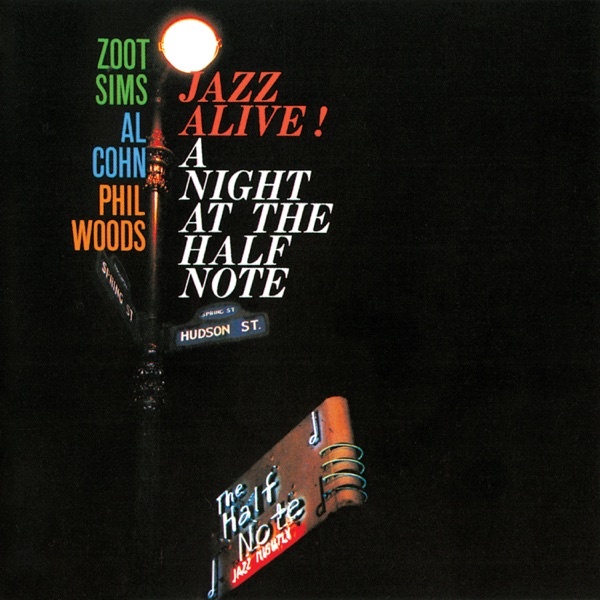
Jazz Alive! A Night at the Half Note 1959

The Four Brothers… Together Again! 1957
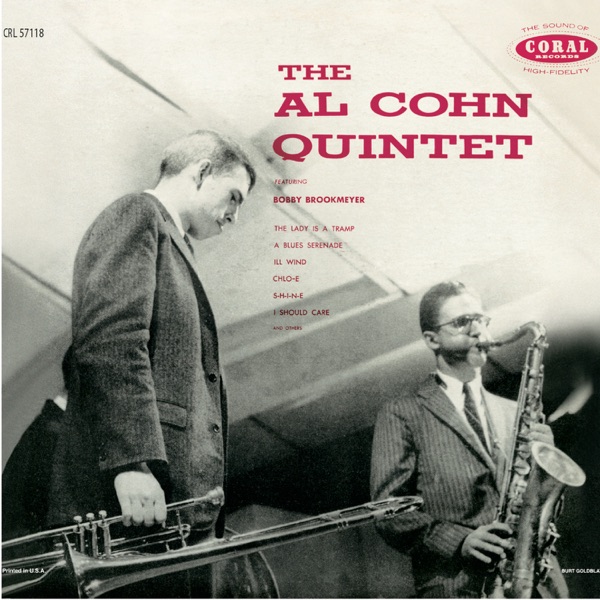
The Al Cohn Quintet 1956
♫
Al Cohn’s Tones 1956
The musicians on this record
Their own records, close in time


