1955 · Album
Four Brass, One Tenor... Al Cohn
Recorded 1955 · RCA Victor · Leader: Al Cohn

Four Horns in Search of Balance
Cohn cuts through the brass with a tenor that sounds more thoughtful than flashy, steering the whole thing.
What makes this album work is the restraint built into its very premise — four brass players, one tenor saxophone, and the understanding that somebody has to listen. Al Cohn leads here, but the real story is how he navigates a crowded front line without getting buried. The ratio alone tells you this isn't a blowing session; it's arranged conversation. Cohn's tenor has a dry, intelligent quality, never overshooting for drama. He sits in the pocket and lets the brass do their thing, then steps forward with ideas that land harder because they're economical. The album never feels congested because everyone respects the shape of the tune. These are straightforward vehicles — nothing overstuffed or precious. You hear the individual voices of the four brass players clearly, which means the arranger understood voice leading and the bandleader understood when to push and when to hold back. It's the sound of musicians who know their job and do it well without needing to prove anything. For Cohn specifically, Four Brass One Tenor sits in his catalog as workmanlike and solid — not a peak moment, but evidence of a musician with taste and ears who could lead a date without turning it into a showcase for himself. The record came out on RCA Victor in a period when Cohn was building his reputation as a reliable bandleader and composer. It remains a good example of how a tenor player can lead a group without dominating it.
Who's playing
Burgher Jonesbass
Dick Katzpiano
Freddie Greenguitar
Al Cohntenor saxophone
Thad Jonestrumpet
Joe Newmantrumpet
Nick Travistrombone, trumpet
Joe Wildertrumpet
Phil Sunkeltrumpet
Osie Johnsondrums
Where next?
More by Al Cohn
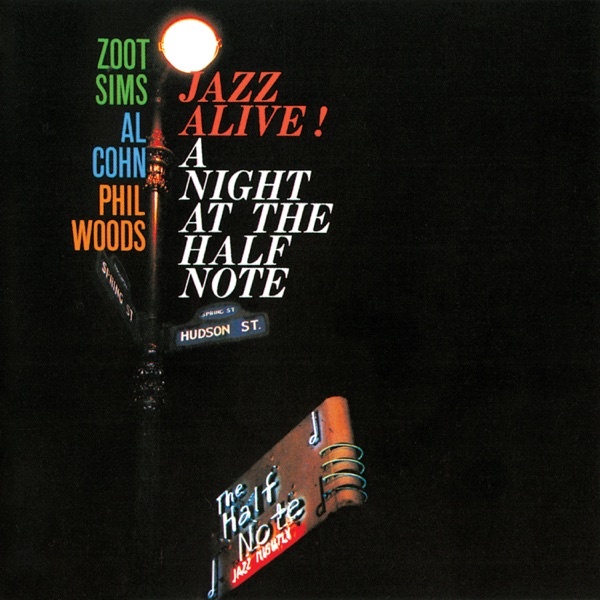
Jazz Alive! A Night at the Half Note 1959

The Four Brothers… Together Again! 1957
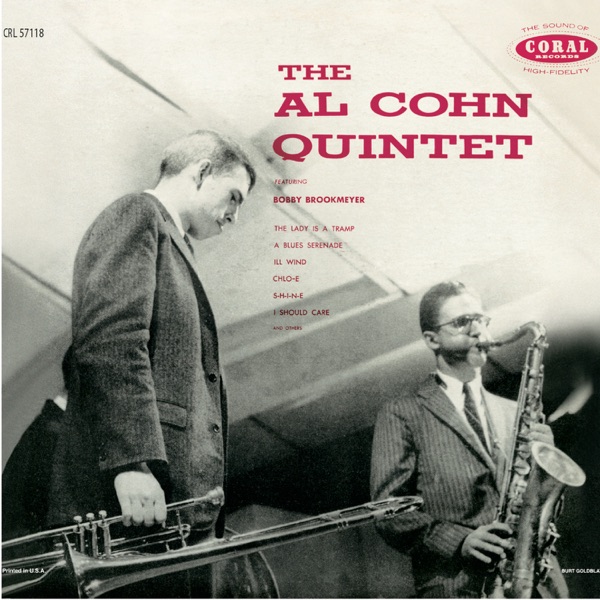
The Al Cohn Quintet 1956
♫
Al Cohn’s Tones 1956
The musicians on this record
Their own records, close in time



