1963 · Album
The Artistry Of Freddie Hubbard / The Body And The Soul
Recorded 1963 · Impulse!

Hubbard's Divided Vision: Strings and Fire
Two sides of one trumpeter: lush orchestration on one half, tight bebop septet on the other.
The Body & the Soul presents Freddie Hubbard at a crossroads, literally. The album splits itself down the middle — one half showcasing the trumpeter surrounded by strings and full orchestra, the other featuring him in a lean septet with some of the era's sharpest modernists. It's an odd structure by today's standards, but it tells you something about where Hubbard stood in 1963. He was a young player with real chops, comfortable everywhere from the orchestral ballad to the hard-bop conversation.
The orchestral half leans toward smoothness and romantic brass writing. Hubbard's tone is warm and centered, riding over arrangements that feel more album-track than experimental. It's competent, pleasant enough, but frankly not where the heat is. The real action happens in the septet dates. Here, alongside Curtis Fuller, Eric Dolphy, Wayne Shorter, Cedar Walton, Reggie Workman, and Louis Hayes, Hubbard gets to stretch. This is the Hubbard worth your time — trading phrases with Dolphy, responding to Shorter's compositional ideas, locked into a rhythm section that actually pushes back. The difference between the two halves is stark: one is a background score for an imagined film; the other is a conversation between equals.
In Hubbard's catalog, this sits well below his landmark work on the Blue Note label and doesn't rank among the reasons anyone makes a pilgrimage to his discography. It's specialist interest — worth hearing if you're digging into his Impulse! years or chasing Eric Dolphy's sessions from this period. The septet tracks justify the purchase alone; the orchestral material is filler. Start elsewhere with Hubbard, but don't skip this if you're already invested.
Who's playing
Art Davisdouble bass
Reggie Workmanbass
Tommy Flanaganpiano
Cedar Waltonpiano
John Gilmoretenor saxophone
Wayne Shortertenor saxophone
Freddie Hubbardtrumpet
Curtis Fullertrombone
Eric Dolphyflute
Louis Hayesdrums
Where next?
More by Freddie Hubbard
All 13 albums →


The musicians on this record

Out to Lunch 1964
Eric Dolphy
plays flute here
plays flute here

The All Seeing Eye 1966
Wayne Shorter
plays tenor saxophone here
plays tenor saxophone here
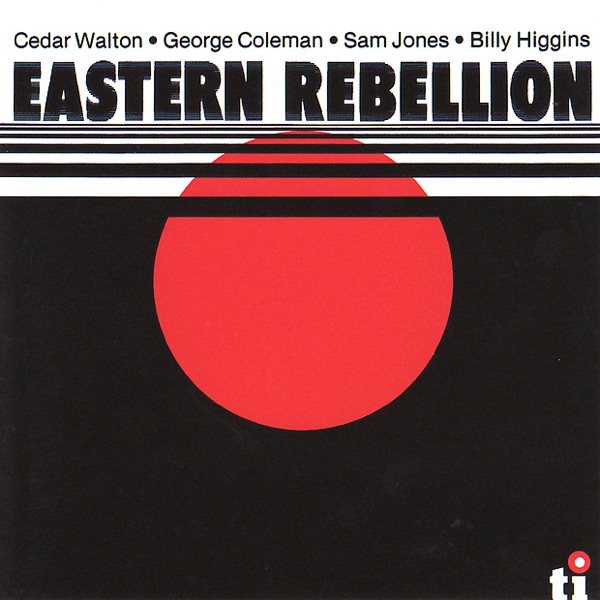
Eastern Rebellion 1975
Cedar Walton
plays piano here
plays piano here

The Magnificent Tommy Flanagan 1960
Tommy Flanagan
plays piano here
plays piano here


