1978 · Album
Electric Guitarist
Recorded 1978 · Columbia Records · Produced by Not specified in verified sources

A Master Guitarist Surrounded by Friends
McLaughlin assembled one of the finest rosters of collaborators in jazz to create something genuinely alive.
By 1978, John McLaughlin had already spent years leading his own bands and collaborating across jazz's most adventurous corners. Electric Guitarist arrived as a confident statement from someone who no longer needed to prove anything—he'd already done that. What made this album different was its explicit focus: rather than building around a fixed band, McLaughlin invited a constellation of musicians he'd worked with before, each bringing their own voice to his compositions and arrangements.
The roster speaks for itself. Drummers Tony Williams, Jack DeJohnette, and Billy Cobham each brought their particular rhythmic approach. Chick Corea on keyboards, David Sanborn on alto saxophone, Jerry Goodman on violin, and bassists Jack Bruce, Stanley Clarke, and Fernando Saunders filled out the sound. Carlos Santana appeared as a fellow guitarist. This wasn't a pick-up session; these were musicians who understood McLaughlin's language and could push back against it. The album works because nobody's playing it safe. There's genuine conversation happening, not just accompaniment.
Critics responded positively—both All About Jazz and Rolling Stone gave the record four stars—which made sense given the obvious quality of the playing and the clarity of the compositions. The album stands as solid proof that McLaughlin could work in settings beyond his own established groups and still maintain complete control over the sound. It's worth hearing if you want to understand how he functioned as a bandleader when given freedom to choose his own collaborators.
Who's playing
Fernando Saundersbass
Neil Jasonbass
Alphonso Johnsonbass synthesizer
Stanley Clarkebass
Jack Brucebass
Patrice Rushenpiano
John McLaughlinguitar
Carlos Santanaguitar
David Sanbornsaxophone
Tom Costerorgan
Stu Goldbergsynthesizer
Chick Coreasynthesizer
Billy Cobhamdrums
Tony Smithdrums
Jack DeJohnettedrums
Tony Williamsdrums
Alyrio Limapercussion
Armando Perazacongas
Jerry Goodmanviolin
Where next?
More by John McLaughlin
All 33 albums →


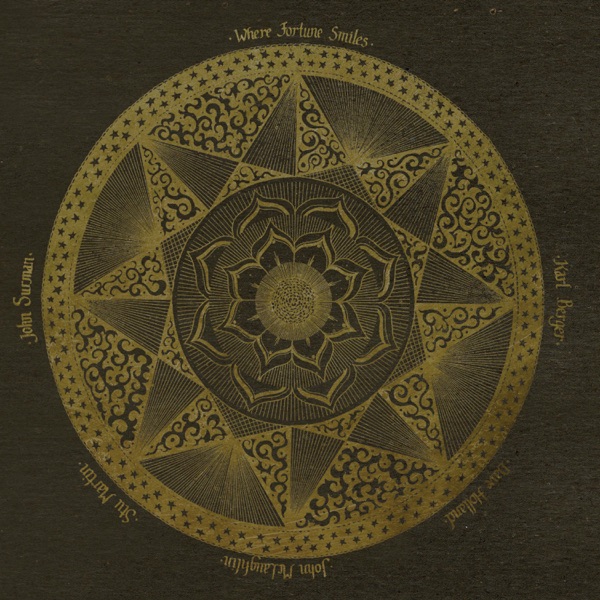
The musicians on this record

Romantic Warrior 1976
Chick Corea
plays synthesizer here
plays synthesizer here
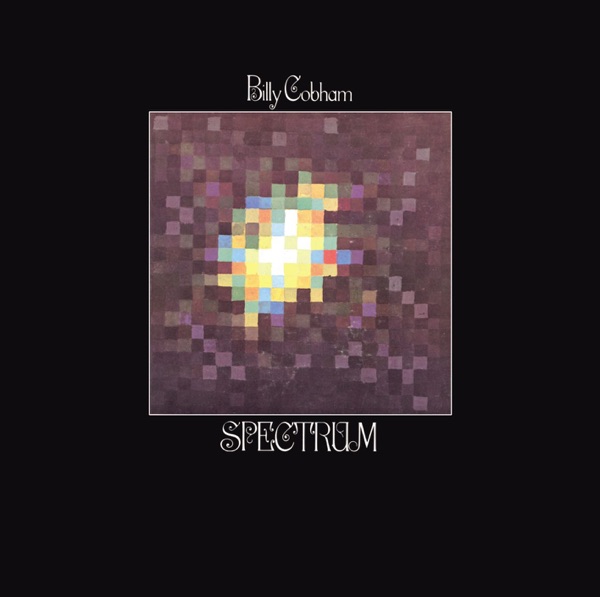
Spectrum 1973
Billy Cobham
plays drums (drum set) here
plays drums (drum set) here
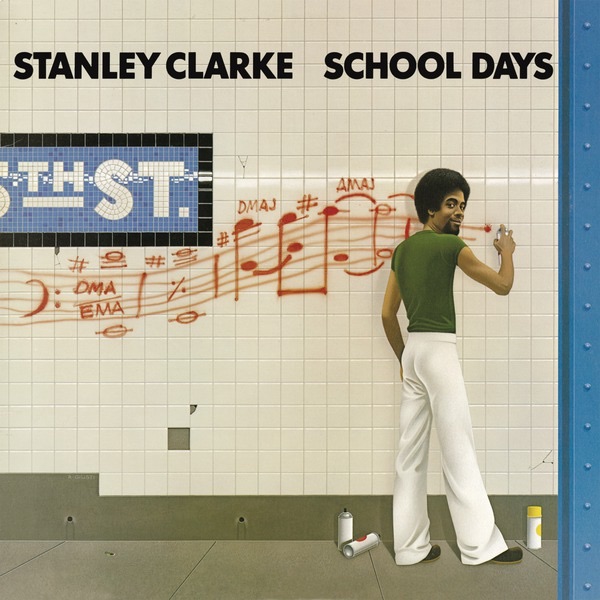
School Days 1976
Stanley Clarke
plays bass here
plays bass here

Believe It 1966
Tony Williams
plays drums (drum set) here
plays drums (drum set) here



