1948 · Album
Bird After Dark
Recorded 1947-1948 · Savoy Records · Produced by Teddy Reig
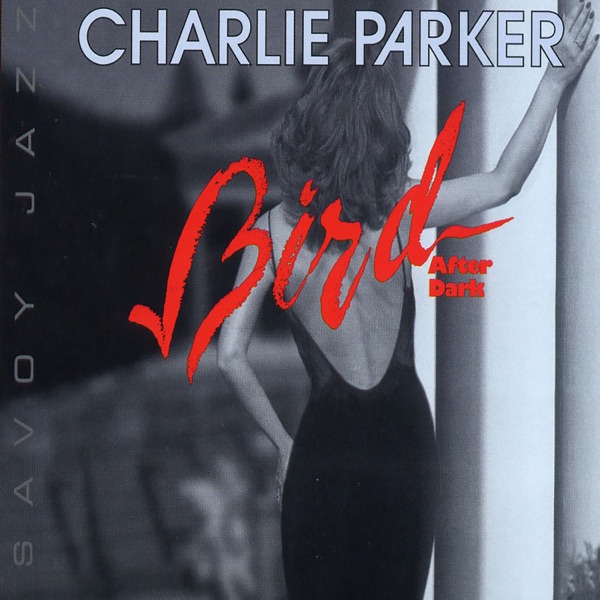
Charlie Parker's Midnight Hour Sessions
Bird captures the raw energy of late-night jam sessions, unpolished but absolutely alive.
Bird After Dark is Parker working without a net, and that's both its strength and its weakness. These recordings catch him in smaller settings than his classic session work, playing with musicians who could keep up but didn't always know exactly what was coming next. The sound is immediate and sometimes rough—you hear the room, the mistakes that didn't get edited out, the moments where Parker decides to take a solo in a direction nobody expected. It's the opposite of his more produced work, which makes it feel more honest in a way that matters if you care about hearing him think in real time.
What actually happens here is you get Parker doing what he did best: responding to the moment and pushing whoever's playing with him to do the same. There's no arrangement to hide behind, no elaborate orchestration. It's just his saxophone cutting through, making the kind of harmonic and melodic turns that made him dangerous. The rhythm section might lag or push, but Parker never wavers—he's clearly the person in control, the one who knows where this is going even if everyone else is figuring it out. This is essential listening if you want to understand why musicians were so afraid of playing with him.
For most listeners, this is not the place to start. The Charlie Parker Story (1945-48) or similar compilations of his earlier sessions give you the fully formed genius in sharper sound. But if you already know Parker's work and want to hear him in a less manicured setting—stripped down, faster on his feet, occasionally rough but never boring—Bird After Dark gets you there. It's the album for people who prefer their jazz unvarnished.
Who's playing
Where next?
More by Charlie Parker
Charlie Parker with Strings 1949
The Genius of Charlie Parker 1946
South of the Border 1952

Compact Jazz: Charlie Parker 1987
The musicians on this record
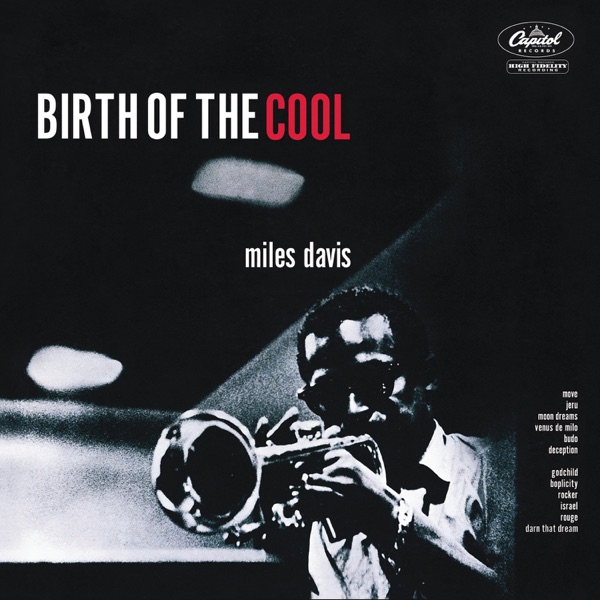
Birth of the Cool 1950
Miles Davis
plays trumpet here
plays trumpet here
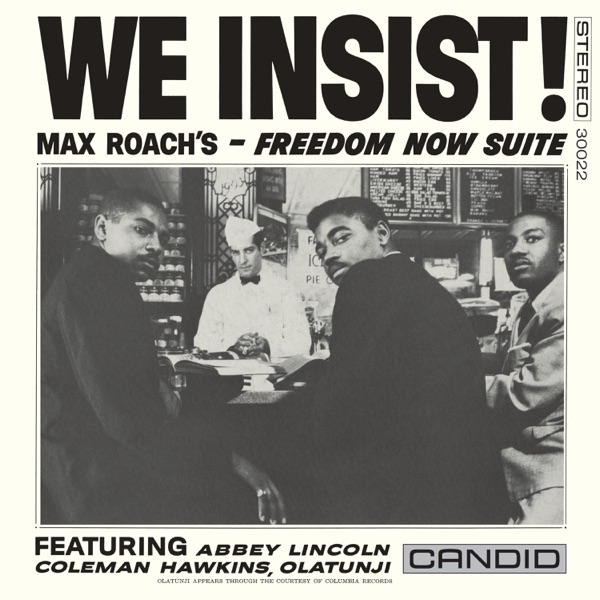
We Insist! Max Roach's Freedom Now Suite 1961
Max Roach
plays drums (drum set) here
plays drums (drum set) here