1956 · Album
Soul
Recorded 1939–1956 · Columbia · Produced by Unverified — detail omitted
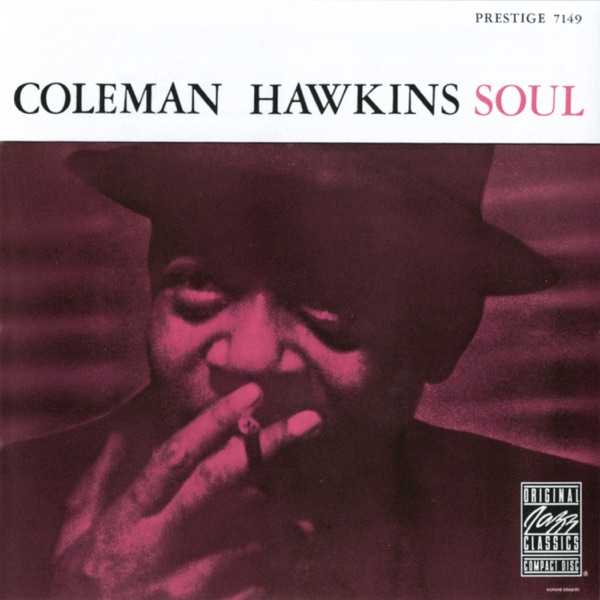
Seventeen Years Between Two Takes
Hawkins invented the jazz tenor saxophone, and this album proves he never stopped pushing it forward.
Coleman Hawkins spent decades as the dominant voice on the tenor saxophone, and this collection — pulling together recordings from 1939 and 1956 — gives you a chance to hear the same man, the same song, seventeen years apart. The centerpiece is the 1939 recording of 'Body and Soul,' which is genuinely one of the most consequential performances in jazz history, and for once that's not an overstatement. Hawkins barely states the melody at all — he just improvises over the changes for two minutes and change, and it sounds completely natural. Musicians were still figuring out what jazz saxophone could be, and Hawkins walked in and showed them.
The 1956 version of 'Body and Soul' is the smart move for a compiler to include, because the comparison is irresistible and actually instructive. Hawkins is older, the approach is a bit more relaxed, and you can hear how the bebop years reshaped his phrasing without turning him into someone else. He absorbed what was happening around him without chasing it. That's rarer than it sounds.
The other tracks fill in the picture of a working musician across a long career — different rhythm sections, different contexts, but always that big, warm, slightly aggressive tone that Hawkins made the default sound for the instrument. If you already own the 1939 'Body and Soul' on a compilation somewhere, this album still earns its place because the framing works. Hearing him return to the same piece after nearly two decades tells you more about artistic development than any number of critical essays could. Start here if you're new to Hawkins. Stay for the 1939 recording either way.
Who's playing
Where next?
More by Coleman Hawkins

Duke Ellington Meets Coleman Hawkins 1963
♫
The Hawk Flies High 1957

Coleman Hawkins and Confrères
The Hawk Relaxes 1961
The musicians on this record

Introducing Kenny Burrell 1956
Kenny Burrell
plays guitar here
plays guitar here

Ray Bryant Plays 1960
Ray Bryant
plays piano here
plays piano here



