Swedish as a Second Language
Before Monica Zetterlund, the default assumption in jazz was that you sang in American English or you were a curiosity. Zetterlund didn't argue the point — she just kept singing in both Swedish and English until the argument became irrelevant. Her voice was a medium instrument, not a dramatic one. She didn't climb to high notes for effect or lean into melisma. What she had instead was an almost conversational intimacy, the feeling that she was telling you something specific rather than performing at you.
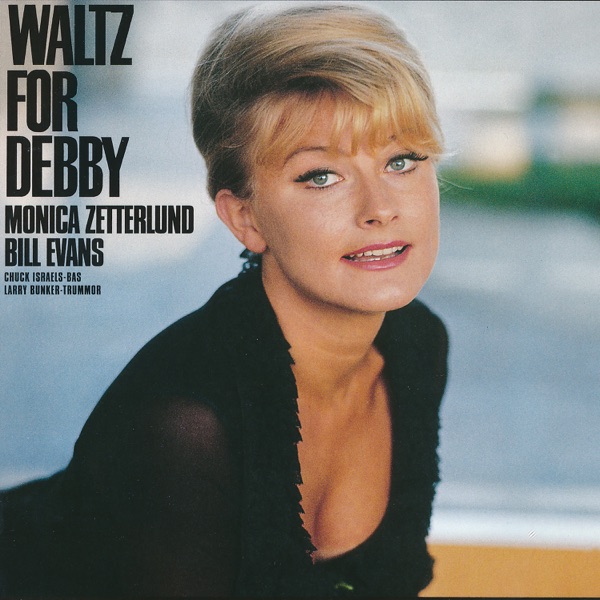
Her breakthrough moment for international ears came with Waltz for Debby (Monica Zetterlund & Bill Evans) (1964), recorded in New York with Bill Evans, Chuck Israels, and Larry Bunker. It remains the album most people reach for first, and it holds up. Evans was at a lyrical peak, and the two found an unusual rapport — his touch under her phrasing felt less like accompaniment and more like a quiet conversation happening alongside hers. The Swedish-language tracks on that record are particularly striking, because you realize the language doesn't matter nearly as much as you thought it would.
But Zetterlund was never only a jazz singer in the American mold. She had a long career in Swedish popular music, theater, and film, and that breadth gave her phrasing a theatrical specificity that pure jazz training might not have. She knew how to inhabit a lyric rather than just deliver it. Her recordings of Swedish folk-influenced material show a different side — earthier, occasionally wry, rooted in a cultural tone that doesn't translate directly but communicates anyway.
She was also, by multiple accounts, genuinely funny. Swedish humor tends toward dry understatement, and that quality runs through her performances even on serious material. There's a lightness in her approach that keeps her from ever becoming precious, even when the music around her is elegant and careful. This makes her more accessible than some of her contemporaries who traded in a heavier kind of sophistication.
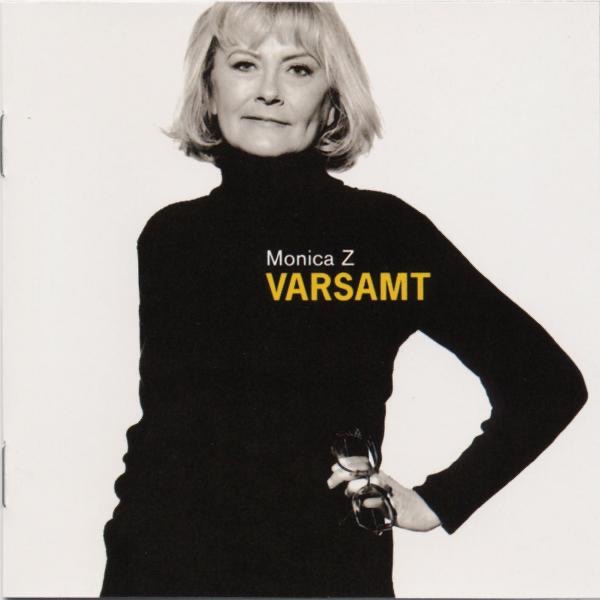
Zetterlund returned to recording and performing in the 1980s after a period away, and her later work holds its own. Her voice deepened and settled without losing clarity. For listeners coming to her now, the Waltz for Debby (Monica Zetterlund & Bill Evans) (1964) album is still the best entry point, but don't stop there — the Swedish-language recordings reveal a side of her that the American jazz audience largely missed, and they're worth the small effort of sitting with unfamiliar words.