1991 · Album
Varsamt
Recorded 1959 · Metronome · Produced by Information unavailable
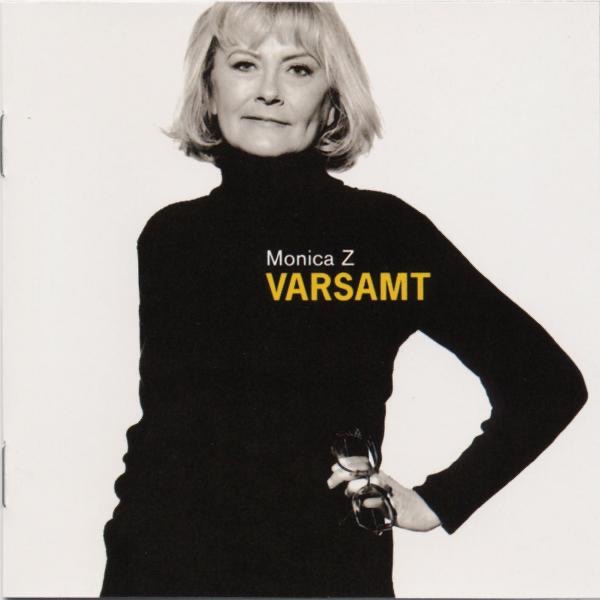
Zetterlund's Careful Approach to the Standards
A quieter album where Zetterlund lets silence do as much work as her voice.
Varsamt means careful or cautious in Swedish, and the title tells you what to expect here. This is Monica Zetterlund pulling back—no big arrangements, no orchestral sweep. Instead, she's working with a small group, moving through standards and jazz ballads with a deliberate pace. Her voice sits close to the microphone, and you hear the breath between phrases. It's intimate in a way that some listeners will find rewarding and others might find a bit spare.
Zetterlund had already made her mark by this point, especially after Waltz for Debby (1962) with Bill Evans, which brought her international attention. Varsamt is not that album. It's smaller, more introspective. There's no attempt to showcase virtuosity or impress with technique. Instead, she's interested in how a lyric lands, how a melody can be shaped by patience rather than power. The arrangements give her room to breathe, which means there are moments where not much is happening—and that's deliberate. If you want Zetterlund at her most swinging and confident, this isn't the place to start. But if you've heard her other work and want to see her in a reflective mood, this one has something to offer.
In her catalog of over twenty studio albums, Varsamt occupies an interesting middle ground. It's not a landmark record, and it won't redefine how you hear her. But it shows an artist willing to trust restraint, to believe that a careful touch can say as much as a bold one. For listeners who've already connected with Zetterlund elsewhere, this is worth seeking out. For newcomers, start with her more widely known work first.
Who's playing
Hasse Larssonbass
Sture Åkerbergbass
Stefan Blomquistpiano, synthesizer
Peter R. Ericsonguitar
Anders Paulssonsoprano saxophone
Bernt Rosengrentenor saxophone
Björn J:son Lindhflute
Christer Janssondrums, percussion
Johan Dielemansdrums
Toots Thielemansharmonica
Where next?
More by Monica Zetterlund

The Lost Tapes 1964

Monica Zetterlund 1967

Ohh! Monica! 1962
Waltz for Debby (Monica Zetterlund & Bill Evans) 1964
The musicians on this record
Their own records, close in time