1967 · Album
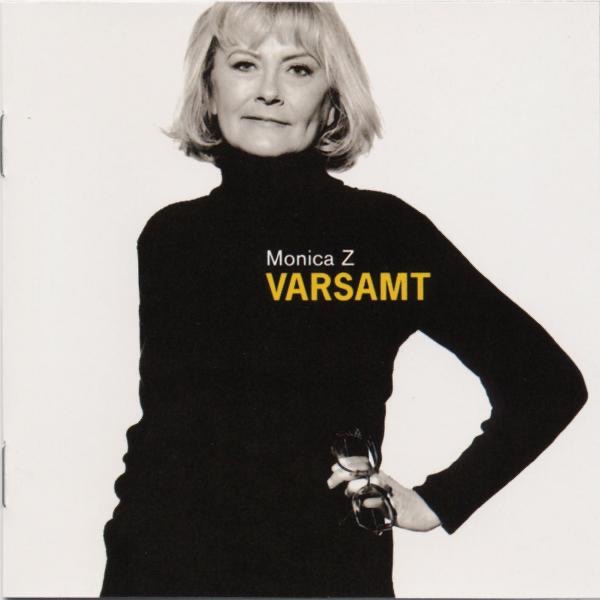
Monica Zetterlund
Recorded 1959 · Metronome Records · Produced by Unknown

A Swedish Singer Finds Her Voice
Zetterlund's ballad touch and clear phrasing made her stand out in a crowded field of jazz singers.
Monica Zetterlund's self-titled album sits in an interesting spot in her catalog — it's early enough to catch her developing as an artist, but polished enough to show she already knew what she was doing. By the late 1950s, Zetterlund had built a solid reputation in Scandinavian jazz circles, and this record documents her in a moment of real confidence. Her voice is warm and direct, without the affected mannerisms some jazz singers lean on. She phrases like she's talking to you, not performing for a crowd.
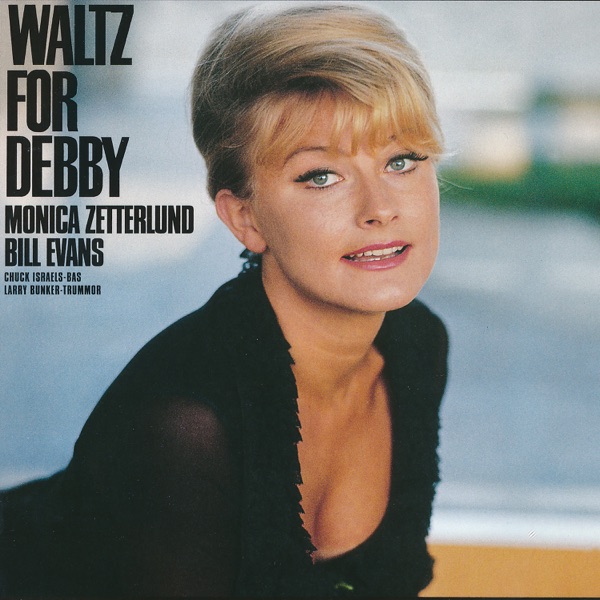
What makes this album worth hearing is how straightforward it is. There's no heavy arrangement machinery here — just Zetterlund with good accompaniment, letting the songs breathe. Her approach to the ballads is particularly strong; she trusts the melody and doesn't oversell the emotion. If you're coming to her work for the first time, this isn't the obvious starting point anymore — most people now know her through Waltz for Debby (1962), her collaboration with Bill Evans, which became her signature album. But that record shows only one side of her. This earlier session shows a different Zetterlund: a singer still exploring, not yet locked into one aesthetic.
For committed fans building out her catalog, this is worth having. It's not her most celebrated work, and it doesn't have the artistic breakthrough that Evans collaboration offered. But it's a solid, professional session from a singer who clearly had the chops and sensibility to move between different jazz contexts. Think of it as a good foundation before moving into her later, more innovative recordings.