1964 · Album
The Lost Tapes
Recorded Dates unverified — do not assume · Unverified — original label not confirmed · Produced by Unverified

Voices Found, Stories Finally Told
A window into Zetterlund at her most unguarded, worth hearing for any serious fan.
There is always something complicated about posthumous releases, and The Lost Tapes is no exception. What you are holding is a collection of previously unreleased recordings by Monica Zetterlund, the Swedish singer who built a career straddling jazz intimacy and mainstream Scandinavian celebrity. She represented Sweden at Eurovision in 1963, starred in more than ten Swedish film productions, and recorded over twenty studio albums across her lifetime — but her reputation outside Sweden rests largely on Waltz for Debby (1964), her remarkable collaborative album with Bill Evans. These tapes sit somewhere outside that polished narrative, which is exactly what makes them interesting.
What you hear on The Lost Tapes is Zetterlund working without the pressure of a formal studio release. Her voice — warm, unhurried, conversational in a way that suited jazz phrasing naturally — comes through in a less produced setting. She was never a singer who pushed hard or decorated a melody unnecessarily, and that quality serves these recordings well. The material feels exploratory rather than definitive, which means some moments land beautifully and others feel like work in progress. That honesty is part of the value here. This is not her at her peak; it is her in motion.
Who should seek this out? Primarily listeners already invested in Zetterlund who want to hear her in a less curated context. As an entry point she is better served by Waltz for Debby, which remains the clearest statement of what she could do at her best. But for those who already love her, The Lost Tapes offers real rewards — glimpses of her process, her taste, and the particular quality of stillness she brought to a lyric. Approach it as a supplement rather than a centrepiece and it delivers exactly what it promises.
Who's playing
Milt Hintondouble bass
Jimmy Jonespiano
Zoot Simstenor saxophone
Thad Jonestrumpet
Al Hall, Jr.trombone
Osie Johnsondrums
Bobby Donaldsondrums
Where next?
More by Monica Zetterlund
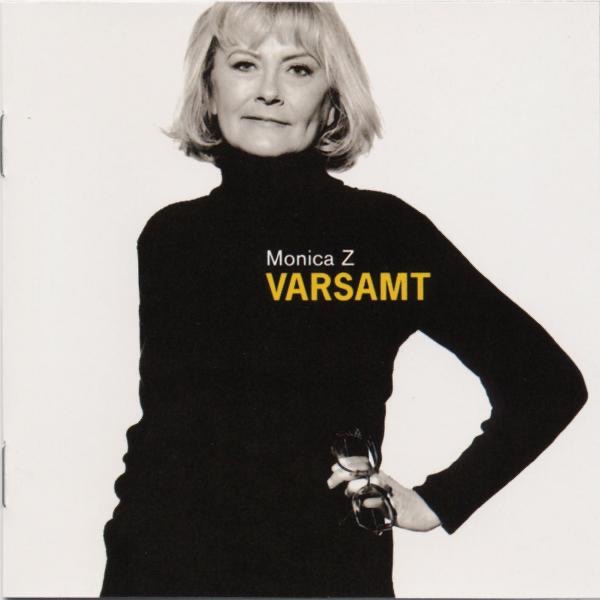
Varsamt 1991

Monica Zetterlund 1967

Ohh! Monica! 1962
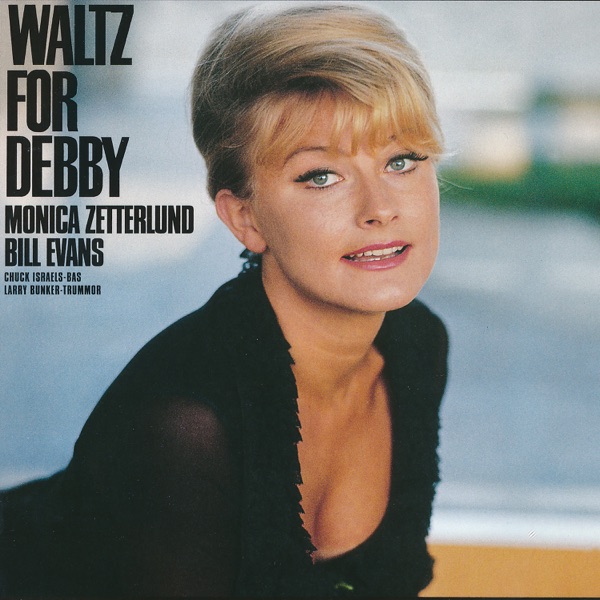
Waltz for Debby (Monica Zetterlund & Bill Evans) 1964
The musicians on this record
Their own records, close in time