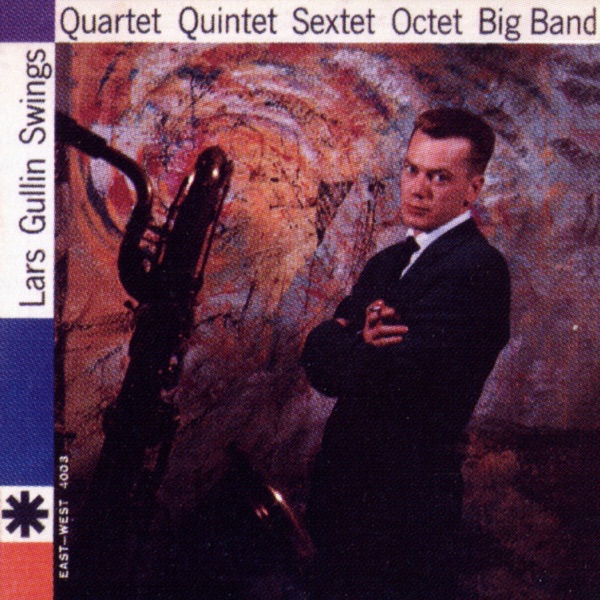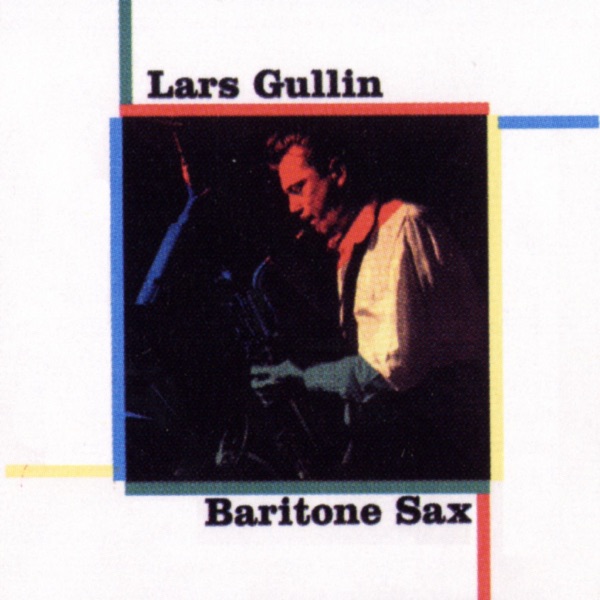
The Swede Who Fooled Everyone
If you only know the baritone saxophone through Gerry Mulligan, Lars Gullin is going to recalibrate your ears. Mulligan was cool and conversational. Gullin was something more introspective — he played with this gentle, searching quality that felt less like performance and more like thinking out loud. He came up in Stockholm in the early 1950s, absorbed everything coming off American records, and then started bending it into his own shape. By the mid-50s, American jazz polls were listing him as one of the top baritone players in the world, which was genuinely remarkable for someone who had never lived in New York.
What made Gullin distinctive was partly the tone — warm and rounded, never harsh — and partly his sense of melody. He wasn't trying to overwhelm you with speed or complexity. He was building these long, arching phrases that had real emotional weight without ever becoming sentimental. Albums like Danny Boy (1956) show this beautifully: the playing is relaxed, almost conversational, but there's a wistfulness underneath it that's hard to shake. His Nordic roots weren't some marketing angle — they were genuinely audible in the way he shaped a tune.
His composing was where his real personality came through. Gullin wrote pieces that sounded like Swedish folk music that had slowly fallen in love with jazz over a long winter. They weren't folk-jazz hybrids in a cute, self-conscious way — they just had that particular emotional coloring, that quality of longing you associate with Scandinavian music. Gerry Mulligan apparently recognized something in him immediately when their paths crossed in Europe, and several American musicians who toured Sweden came away talking about Gullin specifically.
The harder part of the story is that heroin derailed a lot of what could have been. Gullin struggled with addiction through much of the 1950s, and it cost him consistency and probably some opportunities. He kept working, kept recording in fits and starts, and the quality when he was on was never in question — but there are gaps in the discography that feel like absences. He came back more steadily in the late 1960s and early 1970s, and some of those later recordings are genuinely moving, carrying the weight of everything he'd been through without becoming maudlin about it.
If you're curious where to start, find the mid-50s recordings first — that's where the combination of technical confidence and melodic invention is most concentrated. Then follow the compositions. Gullin as a writer deserves as much attention as Gullin as a player, and in Scandinavia his influence on subsequent generations of Nordic jazz composers has been substantial. He died in 1976 at 48, which is one of those facts that sits uncomfortably once you've spent time with his music.