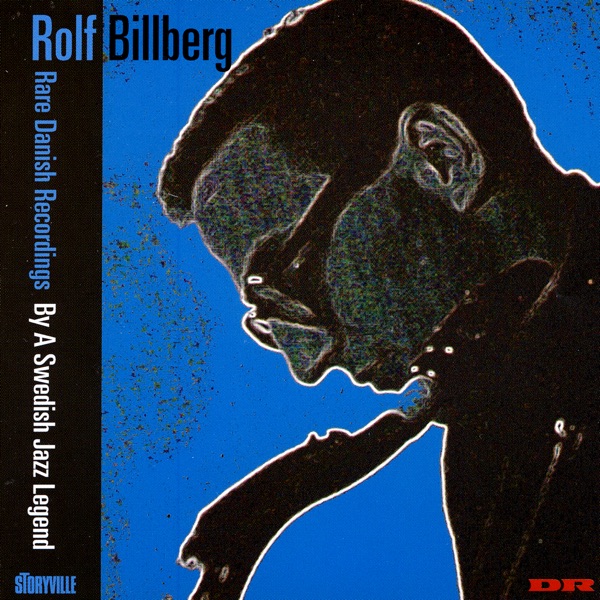
The Quietest Alto in the Room
If you put Rolf Billberg next to Paul Desmond (1959) — not the album, just the comparison people always make — you'd get the idea fast. Same light touch, same preference for melody over fireworks, same sense that the saxophone could whisper instead of shout. But Billberg's whisper had something specifically Swedish in it, a kind of gray-sky melancholy that American cool jazz rarely bothered with. He wasn't copying anybody. He was just playing the way he heard things.
He came up through the Swedish dance band and studio scene in the 1950s, the kind of working musician's life that doesn't leave behind a tidy discography but does leave behind a reputation. He played with Harry Arnold's radio big band, one of the best-drilled orchestras in Europe at the time, and he worked alongside the generation of Swedish players — Arne Domnérus, Lars Gullin — who were quietly proving that European jazz didn't have to sound like it was trying to be American jazz. Billberg's own voice on the horn was softer than Domnérus's, less assertive, almost reluctant, like he'd rather underplay a phrase than oversell it.
What you notice listening to him now is restraint. He doesn't reach for the high register to make a point. He lets notes hang, lets space do some of the talking, and when he does move it's usually downward, toward something darker and more private. It's cool jazz, technically, but it doesn't have that detached, ironic distance some American cool players had. Billberg sounds like he means it every time.
He died young, in 1966, and that fact tends to color how people talk about him — the unfinished career, the what-might-have-been. I'd rather just say the records that exist are worth tracking down on their own terms, not as a tragedy footnote. He wasn't trying to change jazz. He was trying to play something true, in a small country, in a style that rewarded patience over power, and he did that about as well as anyone in Sweden ever has.