The Logic Behind the Sound
Turner grew up in Ohio and California before landing at Berklee College of Music in Boston, which is where a lot of his generation got their first serious education in jazz language. He eventually made his way to New York, where he became part of a circle of forward-thinking musicians who were deeply interested in pushing bebop harmony further without abandoning its logic. He wasn't doing anything wild or confrontational — he was doing something harder, which is making complex ideas sound completely natural.
His tone is the first thing you notice. It's lean and slightly reedy — not the big, warm sound that a lot of listeners associate with the tenor saxophone. He sounds closer to Warne Marsh or Lee Konitz than to John Coltrane or Sonny Rollins, which tells you something about where his head is. He's more interested in lines than in volume, more interested in harmonic movement than in emotional declaration. That can put off listeners who want their saxophone to sound like it's crying or roaring, but if you meet him on his own terms, it's completely gripping.
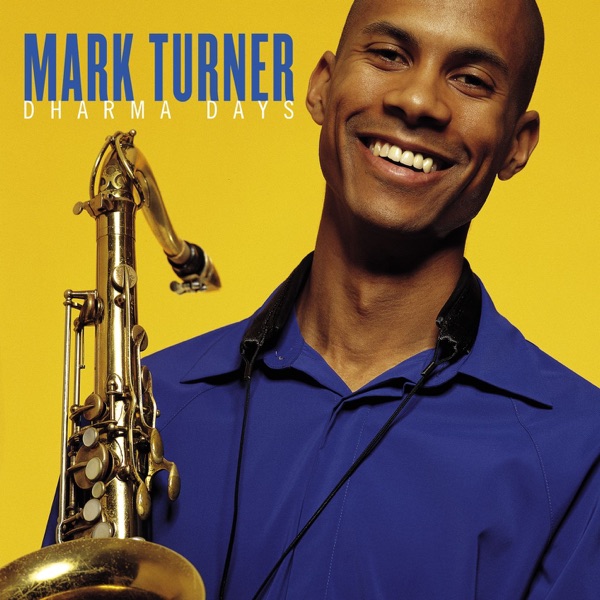
His records as a leader are worth digging into. Ballad Session (1999) shows his approach in an intimate setting, and Dharma Days (2001) gave a wider audience a chance to hear what he'd been developing. The later quartet record Lathe of Heaven (2014) with Avishai Cohen on trumpet is one of the best things he's done — the interplay between him and Cohen is intricate without being fussy, and the rhythm section gives them room to breathe and to think. If you want a single record to start with, that's the one.
He's also one of the most in-demand collaborators in contemporary jazz, which says a lot about how other musicians hear him. He's played alongside Kurt Rosenwinkel, Brad Mehldau, and Larry Grenadier, and he's been central to Fly, the trio he shares with Larry Grenadier and Jeff Ballard. That group has been one of the more consistently interesting working bands in jazz for years — no piano, which forces everyone to carry more harmonic weight, and Turner thrives in that environment.
What makes Turner worth your time is that he's genuinely not trying to impress you in the obvious way. He's not going to hit you over the head with a big sound or a flashy run. He's going to make you work a little, and then somewhere in the middle of a long, knotted phrase, something will click and you'll realize you've been listening to something quietly remarkable. That's a rarer thing than it sounds.