Everything Hummed Under His Fingers
Rosenwinkel grew up in Philadelphia but really became himself in New York, where he landed in the early 1990s and plugged into the downtown scene around the Smalls club. He was young, he was clearly onto something different, and people noticed fast. Paul Motian brought him into his band, which is the kind of endorsement that matters — Motian had impeccable ears and didn't hire people who weren't ready.
What makes his guitar sound so distinctive is a combination of things that are hard to separate. He uses a lot of delay, but not in a showy way — more like he's creating a slight echo of himself, so the lines have this trailing, overlapping quality. His harmonic thinking is genuinely complex without sounding academic. He's absorbed Bill Evans and Thelonious Monk and modern classical music and made something that sounds like none of those things in particular. And then there's the humming. He vocalizes through almost everything he plays, which gives his recordings this slightly eerie, doubled feeling — you're hearing guitar and voice at once, slightly out of sync.
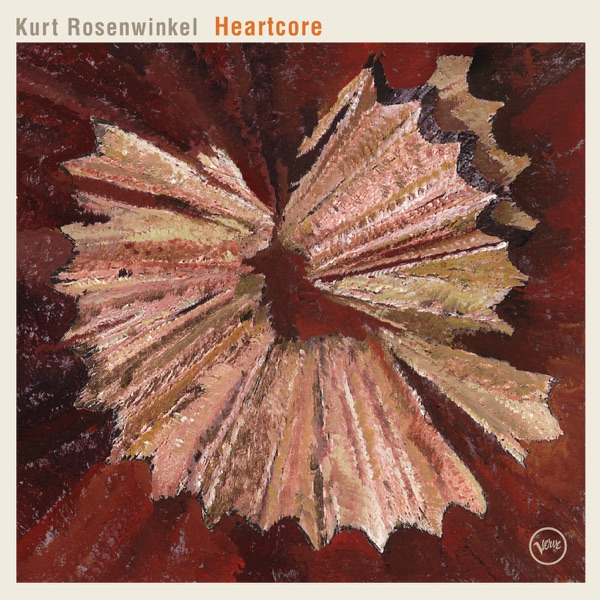
The Enemies of Energy (2000) and Heartcore (2003) are probably the best entry points if you haven't heard him. The Enemies of Energy (2000) is the one that really announced something — it had Mark Turner on saxophone, Ben Street on bass, and Jeff Ballard on drums, and the whole thing felt like a band with a shared interior language rather than a leader and sidemen. The tunes are written in a way that makes the line between composed and improvised genuinely fuzzy, which is either exciting or disorienting depending on your disposition, but it rewards patience.
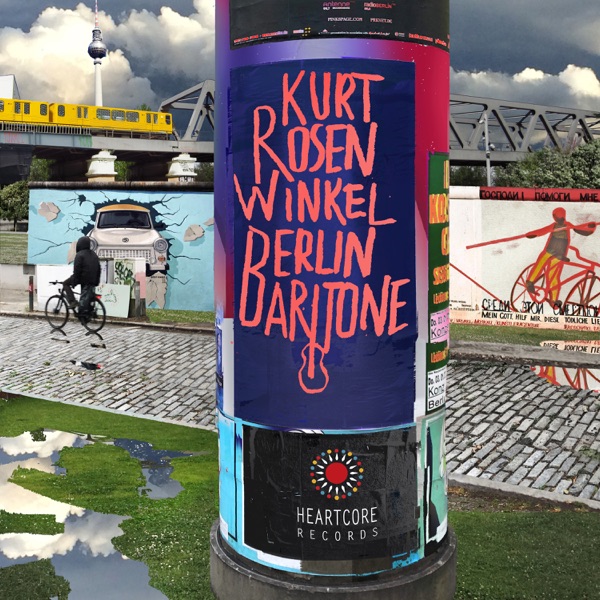
He eventually left New York and spent significant time in Berlin, which seemed to deepen a certain introspective quality in his work. The later records get more layered, more produced — he started incorporating electronics and loops more deliberately, which opened up some interesting territory even if it occasionally lost the directness of the early trio and quartet recordings. Caipi (2017) went in a completely different direction, pulling in Brazilian music and acoustic guitar, and it's genuinely lovely — lighter and more open than most of his work.
Rosenwinkel has always been a guitarist's guitarist in the best sense — deeply respected by peers, not a household name, influential in ways that filter through slowly. His records hold up. If you put on The Enemies of Energy (2000) today it doesn't sound dated, it sounds like someone who figured something out and had the patience to follow it wherever it went.