Two Tenors Meet, Six Years Later We Hear Them
Turner's light tone and Shull's harder sound find an uneasy balance across standards neither had played together before.
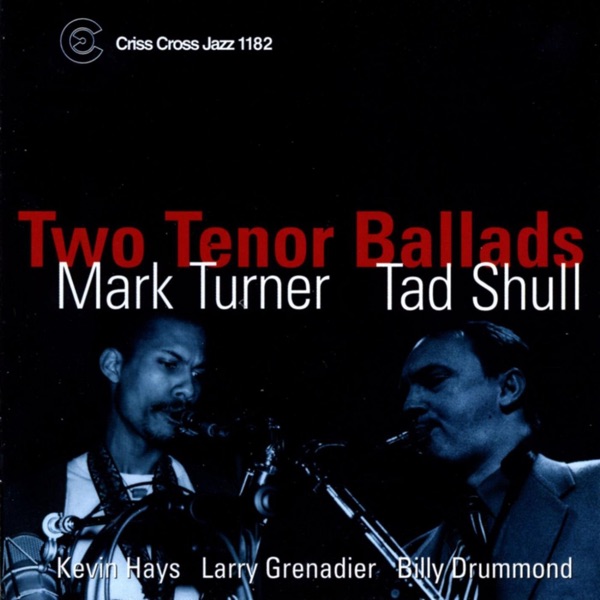
Two Tenor Ballads exists because Mark Turner and Tad Shull met the day before they recorded. That kind of spontaneity rarely survives the studio — usually it collapses under the weight of unfamiliarity — but here it created something restless and unresolved. They approached a set of standards with the assumption that two tenors with different histories and sensibilities could simply play them together. Turner brought a lighter, more introspective tone reminiscent of Warne Marsh. Shull carried a harder, swing-rooted attack closer to Ben Webster or Coleman Hawkins. The pairing was smart on paper. In practice, the interaction never quite settles. There is an awkwardness to the album that some listeners will hear as tension, others as a missed opportunity. AllMusic reviewer Al Campbell found them discovering mutual affection for the material despite their differences. But C. Andrew Hovan in All About Jazz noted the lack of real interplay — the record reads more like two capable soloists taking turns than a conversation. This was recorded in 1994 but shelved for six years before Criss Cross released it in 2000. By then Turner had become a leading figure in modern tenor playing. Shull remained neglected, rarely heard from since. The delay matters. This is an early Turner, still searching, not yet the confident voice he would become.