The Sound Between the Hands
George Shearing figured out a way to play piano that sounded like nobody else, and then he made a career out of it that lasted five decades. The trick — locked-hands voicings doubled with vibraphone and guitar so the whole quintet sounds like one instrument breathing — became known simply as the Shearing Sound. It's smooth, it's precise, and it was built for cocktail hour as much as concert halls. Some critics found it too polished, too commercial. Audiences didn't care. They just liked how it sounded coming out of the radio.
Shearing grew up in London, blind from birth, the youngest of nine kids in a working-class family, and taught himself piano well enough to work London's jazz clubs before he ever set foot in America. When he moved to the United States in 1947, he arrived already formed as a player — steeped in swing, curious about bebop, but never fully willing to abandon melody for the sake of complexity. That balance is basically his whole career in one sentence.
The quintet he formed in 1949 — piano, vibes, guitar, bass, drums, no horns — was the format that made him famous, and 'Lullaby of Birdland' the tune that made him rich. He wrote it in about ten minutes, reportedly on commission for a New York radio show tied to the club Birdland, and it became a standard covered by everyone from Sarah Vaughan to Ella Fitzgerald. It's a small, perfect piece of writing, and it overshadowed a lot of good instrumental work Shearing did that never got the same airplay.
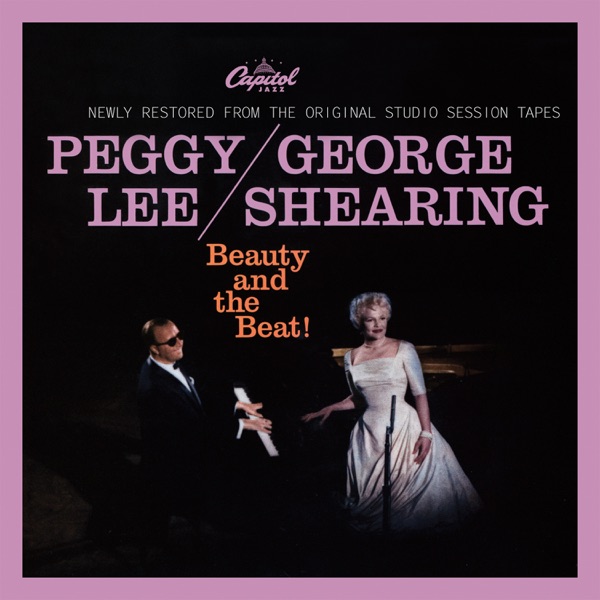
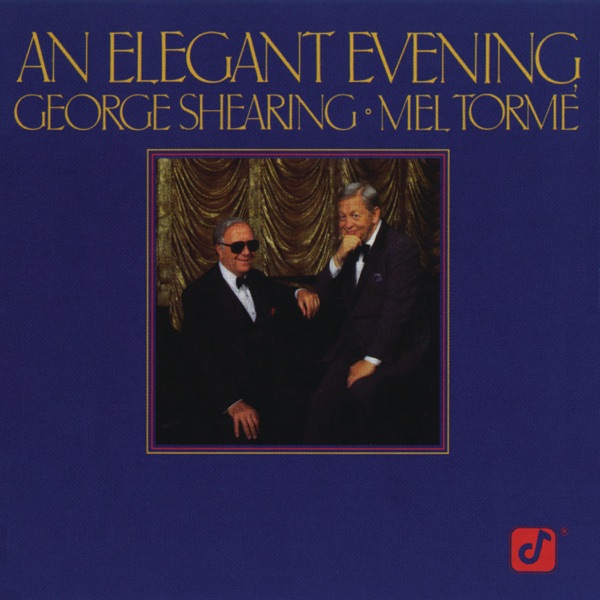
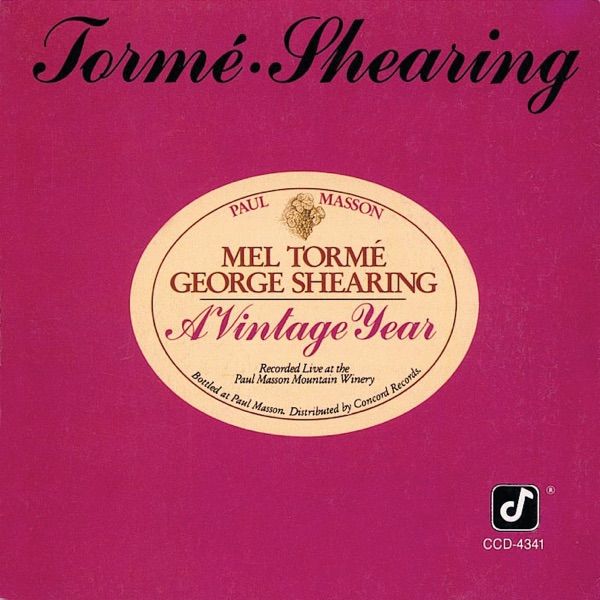
He also had real range once you look past the quintet years — Latin jazz records with Cal Tjader, a long and genuinely warm musical partnership with Mel Tormé that produced some of the best vocal-and-piano jazz records of the 1980s, duo work with Nancy Wilson and others. He wasn't chasing trends. He was a craftsman who found a sound early, refined it for decades, and knew exactly what his audience wanted from him.
Put on An Evening with George Shearing & Mel Tormé (1982) if you want proof he could do more than the quintet formula — it's two guys who clearly enjoy playing together, no gimmicks, just good taste. Shearing never pretended to be a revolutionary, and he didn't need to be. He built something identifiable, kept it warm and listenable for fifty years, and wrote one song that will probably outlive all of us.