The Pianist Who Played Around the Beat
Here's the thing about Erroll Garner that stuck with people: he never learned to read music, and somehow that became his superpower instead of his limitation. He'd listen to something once, maybe twice, and it was in his hands. No sheet music, no formal training, just pure ear and instinct. That kind of thing would've sounded like a cute story about a lot of musicians, but with Garner it was the actual foundation of everything he did.
His sound was instantly recognizable, which is rare in jazz. The left hand did this strumming thing—almost like a guitar—laying down a steady rhythmic bed while the right hand danced over top of it, playing just slightly behind the beat. That lag, that floating quality, is what made it swing so hard. It shouldn't have worked. It sounds like it should feel sloppy or uncertain, but instead it made people want to move. Audiences ate it up because it felt loose and personal and swinging all at once.
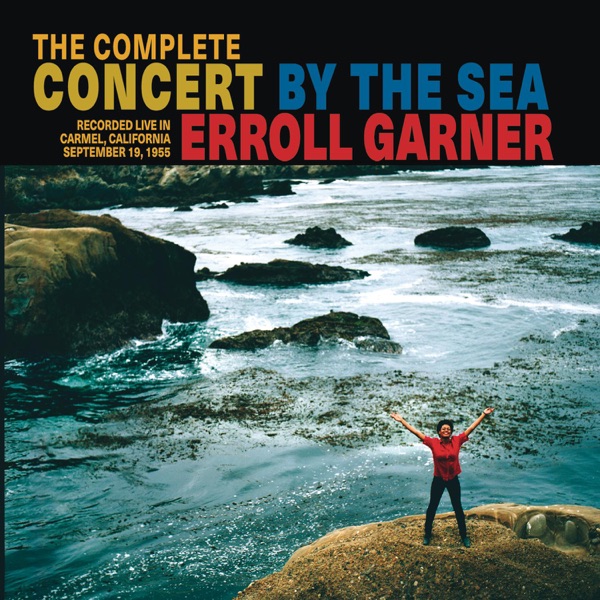
Concert by the Sea (1955), recorded live in Carmel, became one of those albums that just kept selling. Not because of hype or critical weight-throwing, but because people kept discovering it and playing it for their friends. It's still one of the best-selling jazz albums ever made. He also wrote "Misty," which became the kind of standard that just lives in the culture now—you hear it in movies, in elevators, in a thousand different versions. That's the kind of reach most jazz musicians never get close to.
What made Garner different was that he never tried to be complicated about it. He wasn't trying to reinvent jazz or make some grand statement. He just wanted to play something that felt good and sounded beautiful, and he had the gift to make both those things happen at the same time. He proved that jazz could be deeply personal—idiosyncratic, even—and still reach people who didn't go to jazz clubs or read Down Beat magazine. He was popular without selling out, and rare is the artist who manages that balance.

