1957 · Album
The Genius of Coleman Hawkins
Recorded October 16, 1957 · Verve Records · Produced by Norman Granz

Oscar Peterson's Steady Hand Behind the Reeds
Peterson anchors these encounters with the kind of swinging restraint that lets the saxophonists breathe and speak.
What makes this session work is Oscar Peterson. You might expect a rhythm section to fade into the background when two heavyweight tenor saxophonists are in the room, but Peterson does something smarter — he locks in with such clear intention that he becomes the third voice in the conversation. Recorded on October 16, 1957, the album pairs Coleman Hawkins and Ben Webster, two tenors with very different sounds and approaches. Hawkins rides the high end with his piercing, intellectual tone; Webster sits lower, rounder, more bluesy. Peterson doesn't try to referee. Instead, he keeps time that feels almost conversational, responding to each player's phrasing without stepping on it. Ray Brown on bass and Herb Ellis on guitar move along with him, but it's Peterson's touch on the keys that shapes the tempo and feel.
This isn't Hawkins at his absolute peak — that would be earlier in his career. But it's a solid session that caught him late enough in his powers to know exactly what he was doing, matched against Webster's more soulful approach. The Penguin Guide to Jazz Recordings rated it 4 out of 4, and that's fair. The album has the feel of colleagues meeting on neutral ground, each secure enough to let the other one play. Alvin Stoller keeps everything moving behind the kit, never overplaying. What you get is straightforward, swinging, and honest — no pretense, no stretching. If you're looking for Hawkins doing something unexpected, look elsewhere. If you want to hear him in a comfortable, well-matched setting with Peterson keeping everything honest, this is worth your time.
Who's playing
Ray Browndouble bass
Oscar Petersonpiano
Herb Ellisguitar
Coleman Hawkinstenor saxophone
Alvin Stollerdrums
Where next?
More by Coleman Hawkins

Duke Ellington Meets Coleman Hawkins 1963
♫
The Hawk Flies High 1957

Coleman Hawkins and Confrères
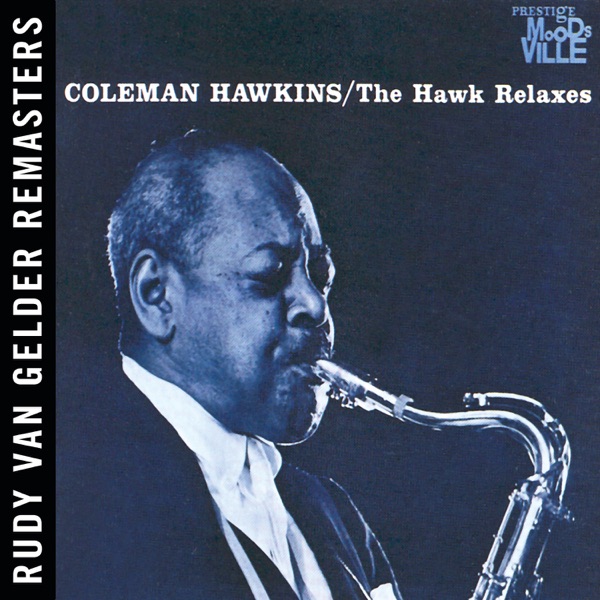
The Hawk Relaxes 1961
The musicians on this record
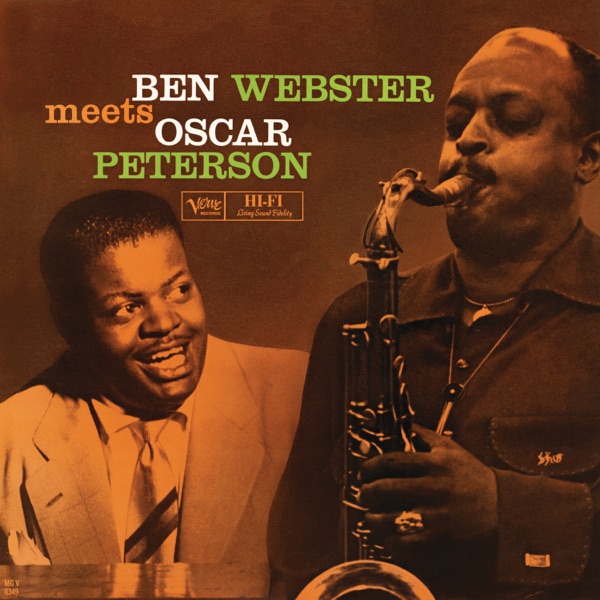
Ben Webster Meets Oscar Peterson 1959
Oscar Peterson
plays piano here
plays piano here

Cannonball Adderley and the Poll-Winners 1960
Ray Brown
plays double bass here
plays double bass here

Herb Ellis Meets Jimmy Giuffre 1959
Herb Ellis
plays guitar here
plays guitar here