
When Herbie Found His Own Light
Sunlight catches Hancock at a crossroads, building something entirely his own.
By the time Herbie Hancock recorded Sunlight, he was already known as a pianist who could fit into almost any setting—a session player with range, someone who understood hard bop but wasn't confined by it. This album marks the moment he stopped being a talented sideman and started thinking like a bandleader with a vision. The tunes here are direct and accessible without sacrificing sophistication, which wasn't easy to pull off in the early sixties.
What makes Sunlight distinct is how it balances groove with exploration. The rhythm section locks tight enough to make you want to move, but there's plenty of space for Hancock to explore different textures on the piano—sometimes blocky and percussive, sometimes lyrical. He's not showing off; he's solving small musical problems across each track. The album avoids the loneliness that can creep into piano-led dates. Everything breathes.
This isn't Hancock's most famous record, and it's not the one to grab if you want to hear him at the absolute peak of his powers—that comes later. But Sunlight is essential if you want to understand how he got there. It's an album about competence and intention, about a musician becoming confident enough to trust his instincts. If you're new to Hancock, start with something more dramatic, but come back here once you want to hear what solid craftsmanship and genuine taste sound like.
Who's playing
Byron Millerbass
Paul Jacksonbass
Jaco Pastoriuselectric bass guitar
Ray Parker Jr.guitar
Melvin “Wah Wah” Watsonguitar
Bennie Maupinsoprano saxophone
Patrick Gleesonadditional, synthesizer
Leon Ndugu Chanclerdrums
James Levidrums
Tony Williamsdrums
Bill Summerspercussion
Raul Rekowcongas
Teressa Adamsstrings
Garnett Brownbrass
Lawrence Grangerstrings
Fred Jacksonwoodwind
Roy Malanstrings
Jack Nimitzwoodwind
Robert O'Bryant, Sr.brass
Dave Riddleswoodwind
Nathan Rubinstrings
Bobby Shewbrass
Maurice Spearsbrass
Emily Van Valkenburghstrings
Ernie Wattswoodwind
Linda Woodstrings
Baba Durutabla
Where next?
More by Herbie Hancock
All 26 albums →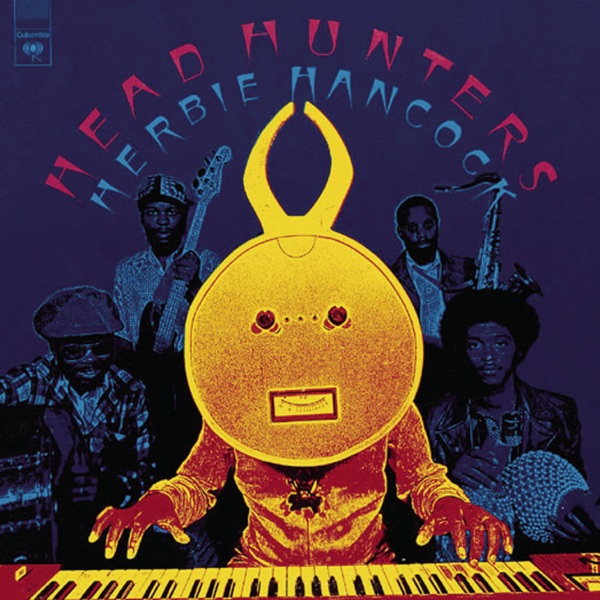


The musicians on this record

Word Of Mouth 1981
Jaco Pastorius
plays electric bass guitar here
plays electric bass guitar here

The Joy of Flying 1965
Tony Williams
plays drums (drum set) here
plays drums (drum set) here
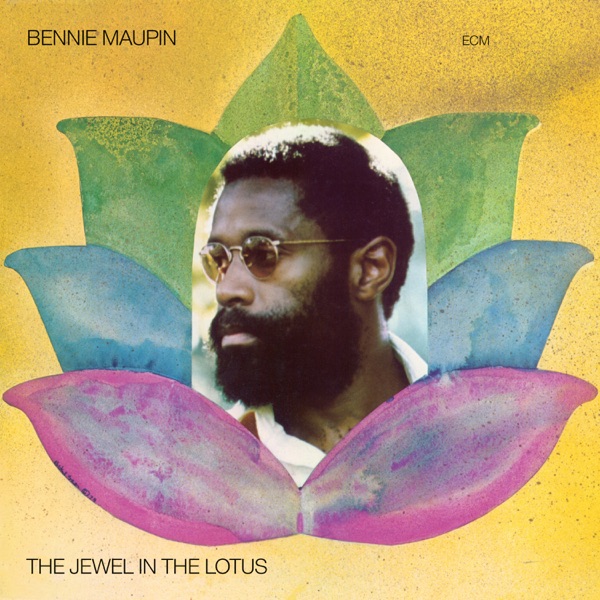
The Jewel in the Lotus 1974
Bennie Maupin
plays soprano saxophone here
plays soprano saxophone here


