1972 · Album
Science Fiction
Recorded 1959 · Atlantic Records · Produced by Nesuhi Ertegün
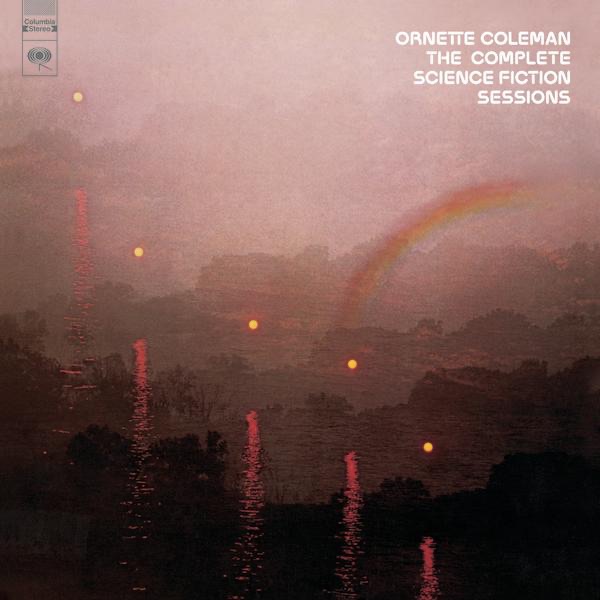
Ornette's Leap Into The Unknown
Science Fiction sounds like jazz abandoned its rulebook and discovered something wilder underneath.
Science Fiction arrives at a strange moment in Ornette Coleman's trajectory. By this point, he'd already unsettled the jazz establishment with his earlier Atlantic recordings, but this album pushes the unsettling further. There's no steady pulse here, no reassuring harmonic foundation. The horns — Coleman's alto saxophone alongside the trumpet — circle each other like they're having separate conversations that somehow form a conversation. Tracks like the title cut and "Lonely Woman" don't build toward climaxes so much as drift into intimate corners, leaving you wondering what you're supposed to be listening for.
What makes Science Fiction distinct from Coleman's other work is how committed it is to pure abstraction. There's no melody in the traditional sense, no hook you can hum. The rhythm section breathes rather than pushes, following the horns' lead instead of anchoring them. This feels less like a jazz album than like overhearing something private — musicians working through ideas that haven't calcified into form yet. It's uncomfortable sometimes, which is partly the point. Coleman seems interested in what happens when you remove the safety rails and trust the players to find their way.
If you're new to Ornette, this probably isn't where you start. Something Else!! or The Shape of Jazz to Come will give you a clearer entry point. But if you've heard those records and want to understand how far he was willing to go, Science Fiction shows a musician following his instincts into territory that conventional jazz players wouldn't touch. It's not the most approachable record, but it's unmistakably his.
Who's playing
Charlie Hadendouble bass
Ornette Colemanalto saxophone, trumpet
Dewey Redmantenor saxophone
Don Cherrytrumpet
Bobby Bradfordtrumpet
Ed Blackwelldrums
Billy Higginsdrums
Where next?
More by Ornette Coleman

The Shape of Jazz to Come 1959

New York Is Now 1968

Something Else!!!! The Music of Ornette Coleman
Change of the Century 1960
The musicians on this record

Liberation Music Orchestra 1970
Charlie Haden
plays double bass here
plays double bass here

Where Is Brooklyn? 1969
Don Cherry
plays trumpet here
plays trumpet here

The Ear of the Behearer 1973
Dewey Redman
plays tenor saxophone here
plays tenor saxophone here
♫
The Oracle 1989
Billy Higgins
plays drums (drum set) here
plays drums (drum set) here



