Russell's Manhattan Canvas in Full Color
A big-band laboratory where Russell's Lydian concepts meet New York's restless energy and star soloists.
By 1959, George Russell had spent years developing his Lydian Chromatic Concept—a theoretical framework that challenged the bebop orthodoxy. New York, N.Y. is his first major opportunity to test those ideas at full scale, and he uses it. This is not a small-group record; it's an orchestral statement, a composer's argument made audible through brass and reeds arranged to expose harmonic territory most jazz arrangers were avoiding.
What strikes immediately is the band's density without mugginess. Russell uses Bill Evans on piano as a harmonic anchor—a smart choice, given Evans's own harmonic curiosity—while the trumpet and trombone sections (Ernie Royal, Joe Wilder, Bob Brookmeyer, Frank Rehak) create pressure and release in ways that feel composed, not improvised-over. John Coltrane appears on tenor, and his presence here is different from his Blue Note sessions; he's threaded into Russell's compositional logic rather than dominating it. The reed section—Hal McKusick, Phil Woods, Benny Golson, and others—acts almost as a choir, texturally precise. Down Beat gave it a 5/5 rating, and AllMusic reviewer's 4.5/5 reflects genuine respect for Russell's ambition, even if not every moment lands.
This sits at the beginning of Russell's mature voice as a composer-bandleader. It's research made music, sometimes exhilarating, sometimes more interesting in concept than in moment-to-moment listening. Not his most accessible record—that might be a later work—but essential if you want to understand what jazz composition looked like before fusion pushed everything toward electricity.
Who's playing
Milt Hintonbass
George Duvivierbass
Bill Evanspiano
Barry Galbraithguitar
John Coltranetenor saxophone
Hal McKusickalto saxophone
Sol Schlingerbaritone saxophone
Benny Golsontenor saxophone
Phil Woodsalto saxophone
Gene Allenbaritone saxophone
Al Cohntenor saxophone
Art Farmertrumpet
Ernie Royaltrumpet
Doc Severinsentrumpet
Joe Ferrantetrumpet
Joe Wildertrumpet
Bob Brookmeyertrombone
Tom Mitchelltrombone
Frank Rehaktrombone
Jimmy Clevelandtrombone
Charlie Persipdrums
Don Lamonddrums
George Russelldrums
Max Roachdrums
Al Epsteinbongos
Where next?
More by George Russell
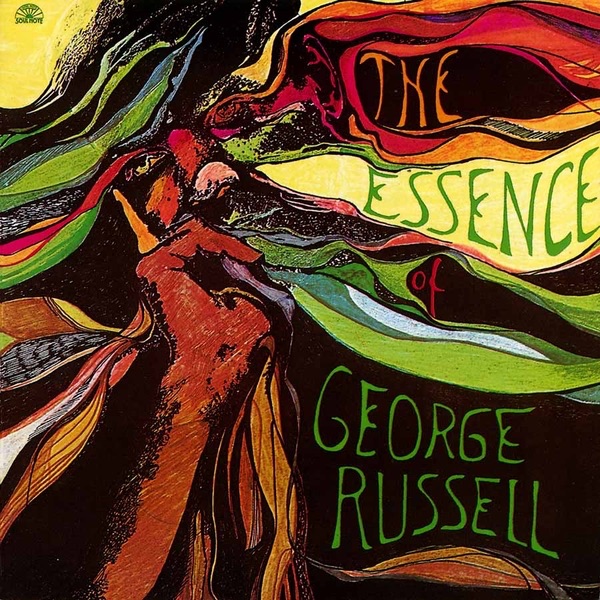
The Essence of George Russell 1971
♫
Othello Ballet Suite / Electronic Organ Sonata No. 1 1970
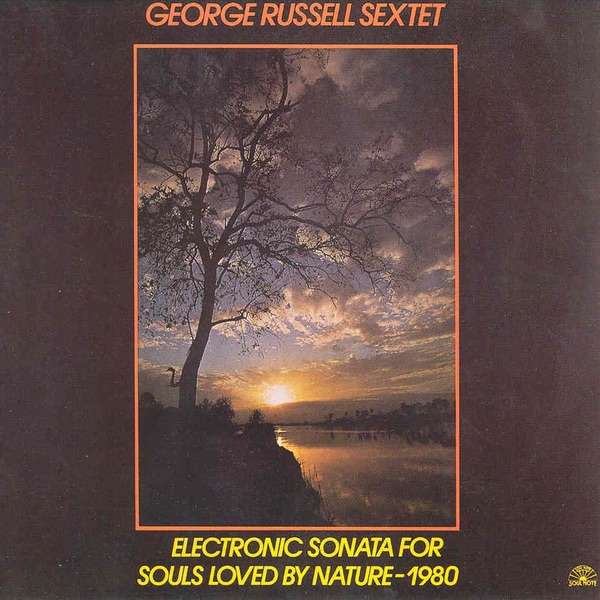
Electronic Sonata For Souls Loved By Nature 1971

Modern Jazz Concert 1958
The musicians on this record

Giant Steps 1960
John Coltrane
plays tenor saxophone here
plays tenor saxophone here

Portrait in Jazz 1960
Bill Evans
plays piano here
plays piano here
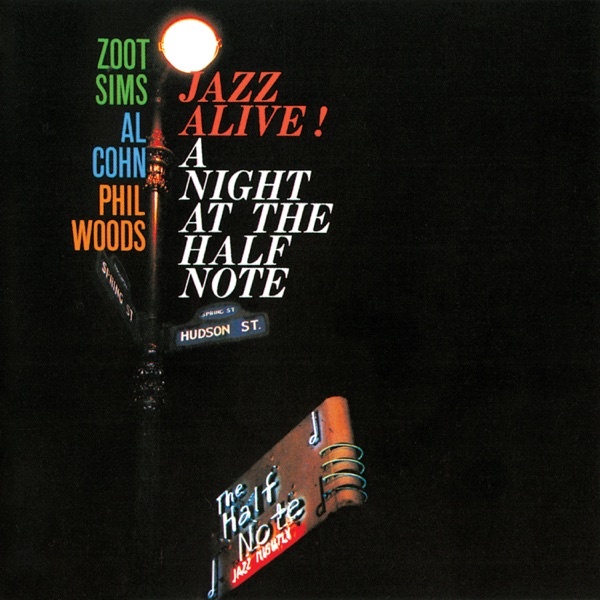
Jazz Alive! A Night at the Half Note 1959
Al Cohn
plays tenor saxophone here
plays tenor saxophone here

Early Art 1961
Art Farmer
plays trumpet here
plays trumpet here