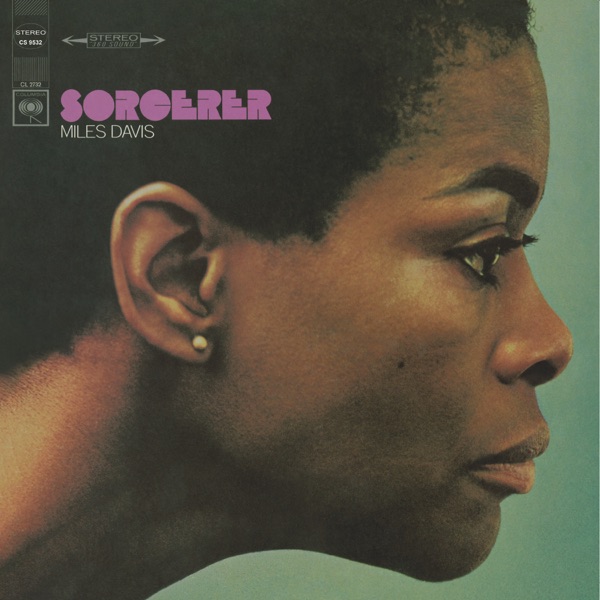
1970 · Album
Othello Ballet Suite / Electronic Organ Sonata No. 1
Recorded 1970 · Flying Dutchman · Produced by George Russell
Russell's Orchestral Ambition and Organ Invention
Russell balances composed grandeur with improvised freedom, building something between classical form and free jazz.
This is Russell conducting a working band through two substantial pieces that sit uneasily between composition and improvisation. The Othello Ballet Suite unfolds with careful orchestration—woodwinds and brass moving through themes that feel more composed than typical jazz, yet the soloists still have room to stretch. Rolf Ericson's trumpet and the tenor saxophones of Jan Garbarek and Bernt Rosengren trade phrases over something that resembles a traditional jazz rhythm section, but Russell's harmonic thinking keeps things off-balance, never quite where you expect. The Electronic Organ Sonata that follows is stranger: George Russell at the organ, Jon Christensen on drums, and it's spare, almost austere. The organ sounds synthetic and oddly formal, neither gospel nor classical but something Russell was clearly inventing as he went.
Russell had spent years developing his Lydian Chromatic Concept, a harmonic theory that rejected the standard major and minor modes. By 1970 he was trying to hear it realized—not just in theory papers but in actual recordings, with actual players. This album is that experiment, and it's not always comfortable. The ballet suite feels like a working rehearsal in parts, the players following a map but not a groove. The organ sonata is more successful as pure oddity, genuinely unlike anything else in his catalog.
This is not a starting point for Russell's work. It's peripheral, interesting mainly to listeners already invested in his compositional methods and willing to hear formal ambition win out over swing. The earlier Stratus-Sphere (1960) is far more accessible, and The Outer View (1962) shows him balancing the same ideas with better results. Here you hear Russell thinking out loud, and sometimes that's valuable precisely because it doesn't quite work.
Who's playing
Arne Domnérusalto saxophone
Jan Garbarektenor saxophone
Bernt Rosengrentenor saxophone
Rolf Ericsontrumpet
George Russellorgan
Jon Christensendrums
Where next?
More by George Russell

New York N.Y. 1959
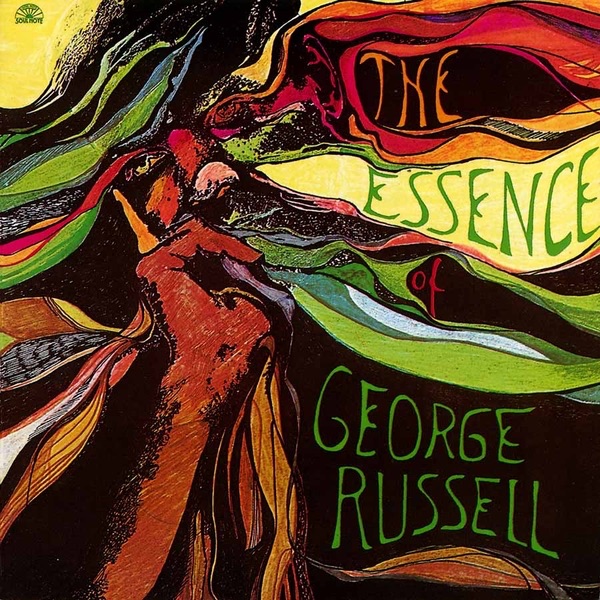
The Essence of George Russell 1971
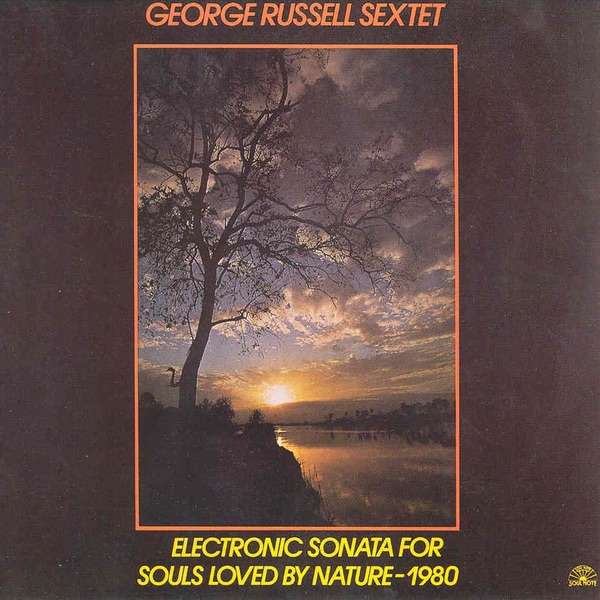
Electronic Sonata For Souls Loved By Nature 1971

Modern Jazz Concert 1958
The musicians on this record
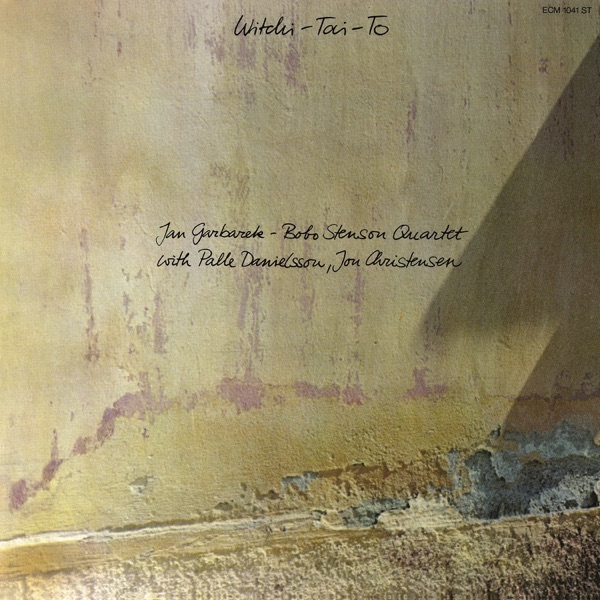
Witchi-Tai-to 1973
Jan Garbarek
plays tenor saxophone here
plays tenor saxophone here
♫
Personal Mountains 1989
Jon Christensen
plays drums (drum set) here
plays drums (drum set) here