1961 · Album
Free Jazz
Recorded December 21, 1960 · Atlantic Records · Produced by Nesuhi Ertegun

Breaking the Rules, Finding the Sound
Ornette Coleman's freest statement, where melody and harmony dissolve into pure conversation.
By the time Ornette Coleman made Free Jazz (1960), he'd already rattled the jazz world with his earlier Atlantic recordings. But this album is different—it's his most radical statement, a double quartet session that abandons nearly every structural expectation of what a jazz record should be. There's no chord changes to follow, no predetermined form. The musicians play in and out of keys, sometimes together, sometimes past each other. It sounds chaotic if you're listening for the usual anchors, but it's actually deeply organized around melodic conversation and collective decision-making. If you've heard Coleman's earlier work and thought he was already pretty far out there, this will show you he had much further to go.
What makes this work—and it does work, even when it sounds fractured—is that Coleman surrounded himself with strong voices who could navigate without a net. The recording captures something that hadn't really been documented in jazz before: musicians genuinely improvising together without predetermined harmonic or formal constraints. Some stretches are beautiful and lyrical. Others are abrasive and confrontational. That contrast is the point. You hear individual players pushing against each other, responding, sometimes ignoring what the others are doing. It's honest in a way most jazz recordings aren't.
This isn't an easy entry point to Coleman's music. Start with The Shape of Jazz to Come (1959) first if you want something more accessible. But if you're willing to sit with the discomfort, Free Jazz (1960) rewards attention. It mattered because it proved that jazz didn't need the structures everyone assumed were essential. Musicians heard this and realized the possibilities were wider than they thought. That permission to ignore the rulebook shaped what came next.
Who's playing
Eric Dolphybass clarinet
Charlie Hadendouble bass
Scott LaFarodouble bass
Ornette Colemanalto saxophone
Don Cherrytrumpet
Freddie Hubbardtrumpet
Ed Blackwelldrums
Billy Higginsdrums
Where next?
More by Ornette Coleman

The Shape of Jazz to Come 1959

New York Is Now 1968

Something Else!!!! The Music of Ornette Coleman
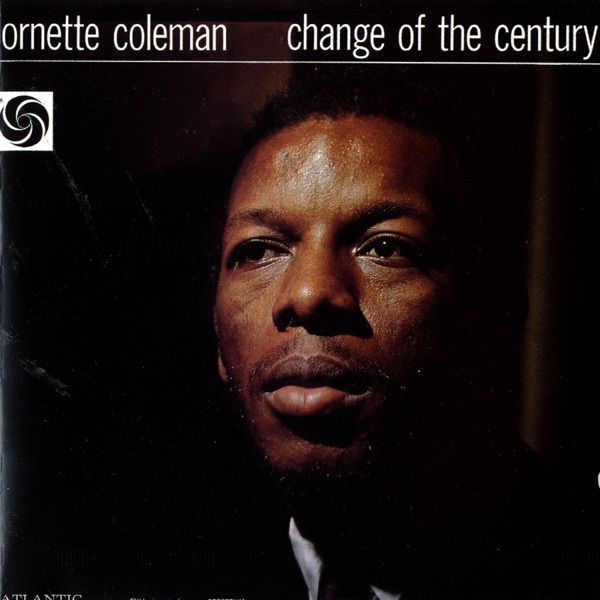
Change of the Century 1960
The musicians on this record

Out to Lunch 1964
Eric Dolphy
plays bass clarinet here
plays bass clarinet here

Open Sesame (The Rudy Van Gelder Edition) 1960
Freddie Hubbard
plays trumpet here
plays trumpet here
♫
Rejoicing 1984
Charlie Haden
plays double bass here
plays double bass here

The Avant-Garde 1966
Don Cherry
plays trumpet here
plays trumpet here