
One March Afternoon, Guitar and Tape
Burrell captured something direct and unguarded in a single session that stays with you.
The album came together on March 12, 1956, in a studio session that had the feel of a working musician doing his job rather than making a statement. Burrell was already known for his clean, articulate playing and his ability to fit into different settings without calling attention to himself. This session was straightforward: get the material down, play it well, move on. What matters is that the recording captured him in a moment when his technique was sharp and his ideas were clear. There's no pretense here, no elaborate arranging or conceptual framework. Just a guitarist working through compositions with focus and taste.
The session yielded material that would define how people heard Burrell in the years following its release in 1957. Blue Note's decision to release it showed confidence in both the guitarist and in the quality of what had been recorded that day. The sound is direct—no reverb tricks, no overdubs to hide behind. You hear the instrument and the player, which works because Burrell knows how to make both matter. For listeners coming to his work, this is a solid entry point, honest and unpretentious in a way that some of his later recordings, with their smoother production, were not.
The album exists in the catalog as a straightforward document of a working session. It's neither a masterpiece nor an overlooked gem. It's a good record by a capable guitarist made in an afternoon, released by a label that understood its value. That directness—the absence of any attempt to seem more significant than it is—turns out to be its actual strength.
Who's playing
Stanley Gilbertbass
George Mrazbass
Jimmy Jonespiano
“Sir” Roland Hannapiano
Kenny Burrellguitar
Joe Hendersontenor saxophone
Jerome Richardsontenor saxophone
Gary Bartzalto saxophone
Snooky Youngtrumpet
Quentin Jacksontrombone
Jimmy Smithorgan
Jimmie Smithdrums
Philly Joe Jonesdrums
Nat Adderleycornet
Where next?
More by Kenny Burrell

Introducing Kenny Burrell 1956
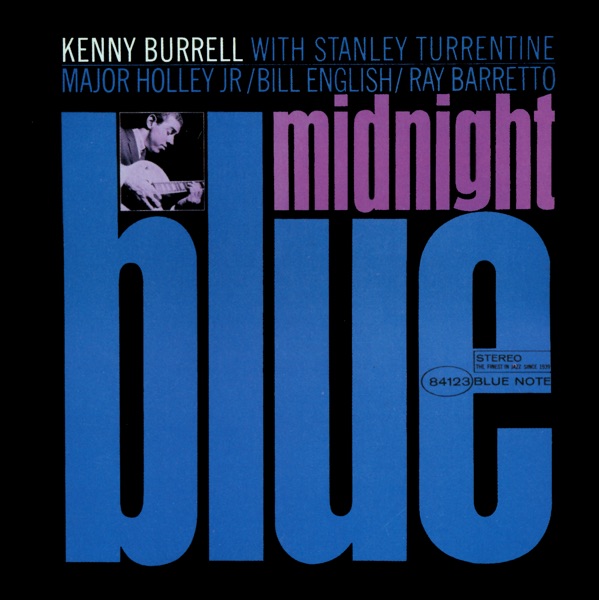
Midnight Blue 1963
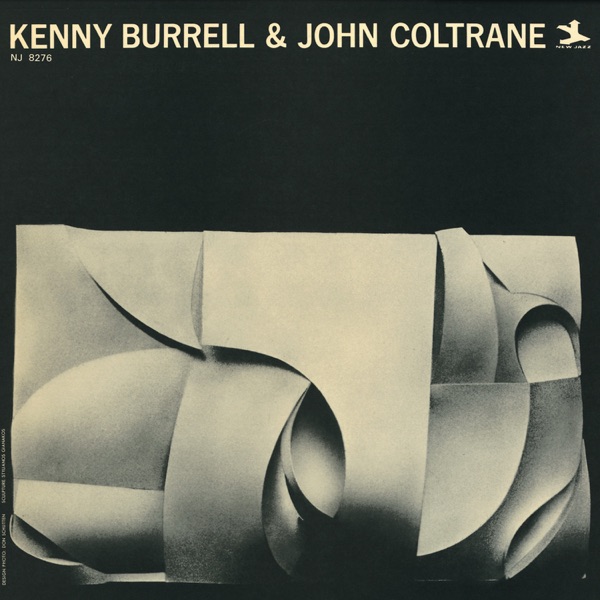
Kenny Burrell & John Coltrane 1963
♫
Jazzmen: Detroit 1956
The musicians on this record
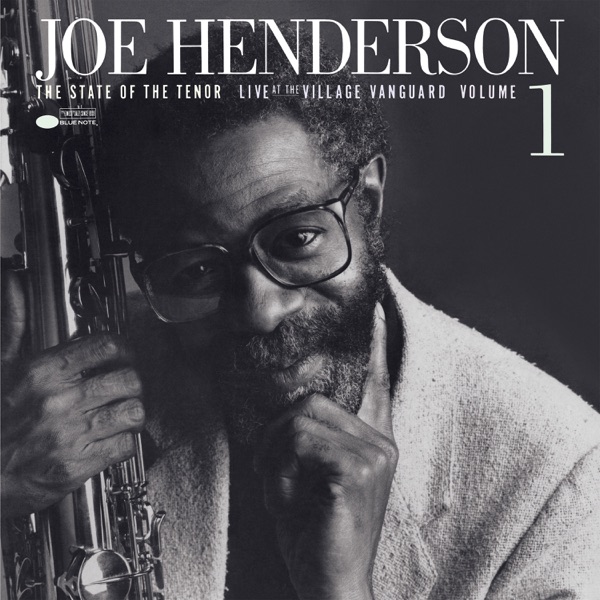
The State of the Tenor, Volume 1 1959
Joe Henderson
plays tenor saxophone here
plays tenor saxophone here

Home Cookin' 1959
Jimmy Smith
plays organ here
plays organ here

Kenny Drew Trio 1957
Philly Joe Jones
plays drums (drum set) here
plays drums (drum set) here

The Cannonball Adderley Quintet in San Francisco 1959
Nat Adderley
plays cornet here
plays cornet here


