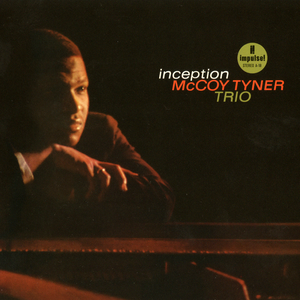
1964 · Album
Cantaloupe Island
Recorded 1964 · Blue Note Records · Produced by Alfred Lion

Where Jazz Met the Funk Groove
Cantaloupe Island proves you don't need complexity to create something genuinely memorable.
Cantaloupe Island is a strange record to describe because it doesn't fit neatly into what Herbie Hancock was known for at the time. Coming early in his career, this album sits at an intersection—part fusion experiment, part funk groove, part straight jazz—and it works because Hancock refuses to choose. The title track is instantly recognizable: that synth bass line is so clean and simple it almost sounds like it should be playing in a mall, but there's something about the way the rhythm section locks in that makes you want to move. It's accessible without being silly, groovy without being retro.
What makes this record distinct is how Hancock treats the synthesizer not as a novelty but as a natural voice in the ensemble. He's not showing off—the playing is economical and smart. The tunes themselves are memorable without being precious. You're not working hard to find the melody; it finds you. Tracks like "Maiden Voyage" showcase a different side, something more introspective and impressionistic, proving the album isn't just about one sound. This record doesn't require you to have studied jazz theory or listened to fifty years of the music to appreciate it. That's not a weakness.
If you're coming to Hancock's catalog for the first time, this isn't necessarily where critics would send you, but it's honest work from someone figuring out what happens when you blend electric instruments with jazz instincts. It's more accessible than some of his later work, less precious than some of his earlier records. The album has aged well because it never pretended to be something it wasn't.
Who's playing
Ron Carterdouble bass
Butch Warrenbass
Chuck Israelsbass
Herbie Hancockpiano
Grant Greenguitar
Dexter Gordontenor saxophone
Hank Mobleytenor saxophone
George Colemantenor saxophone
Donald Byrdtrumpet
Grachan Moncur IIItrombone
Tony Williamsdrums
Billy Higginsdrums
Freddie Hubbardcornet
Where next?
More by Herbie Hancock
All 26 albums →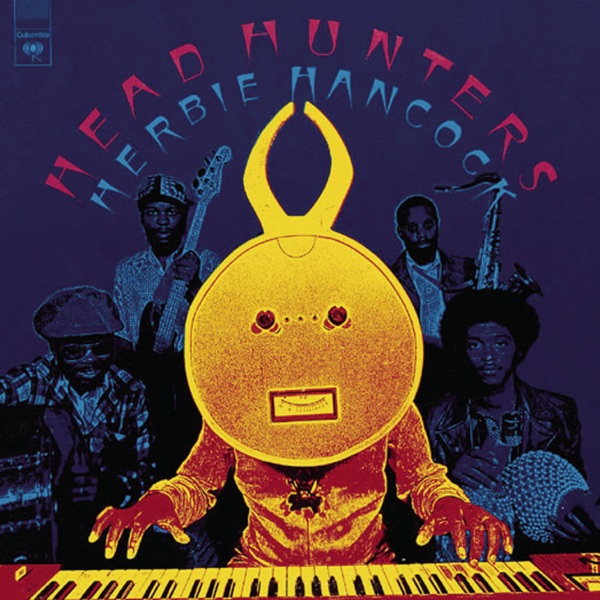
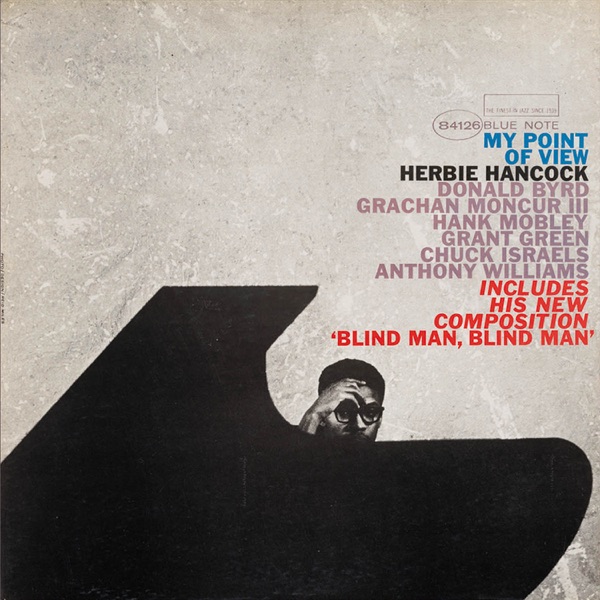
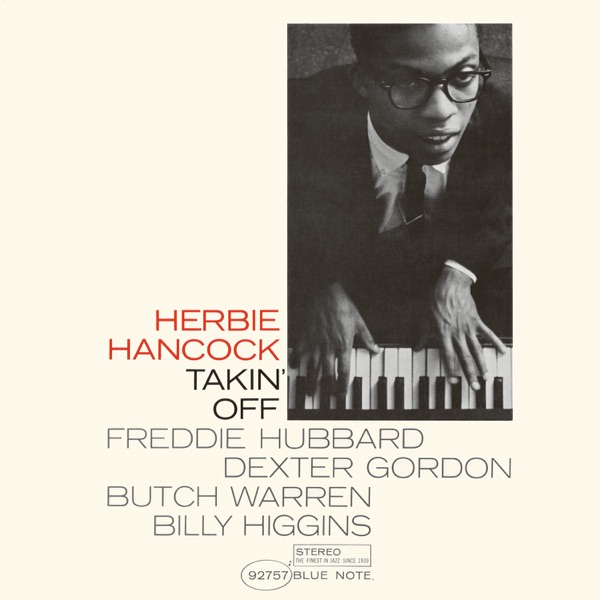
The musicians on this record

Breaking Point 1964
Freddie Hubbard
plays cornet here
plays cornet here

The Latin Bit 1963
Grant Green
plays guitar here
plays guitar here

A New Perspective 1963
Donald Byrd
plays trumpet here
plays trumpet here

Workout 1961
Hank Mobley
plays tenor saxophone here
plays tenor saxophone here