1964 · Album
Una más (One More Time)
Recorded 1963 · Blue Note Records · Catalog Numbers: BLP 4127 (mono), BST 84127 (stereo)

Kenny Dorham's Final Statements as a Leader
Una Mas catches Dorham in his penultimate session, writing sharp tunes and blowing with real conviction.
Una Mas arrived in 1963 as Kenny Dorham's next-to-last time leading a studio session, which alone gives the album a certain weight. Not because every final statement deserves reverence, but because you can hear a player who still had things to say and the chops to say them. Dorham wrote three of the tunes himself, and they sit comfortably alongside the standards and borrowed material. This was a working trumpeter doing what he'd done for years—bringing in solid material, hiring players who could handle it, and recording it straight without the studio trickery some labels were pushing by the early 1960s. The quintet setup meant room for everyone to stretch without things getting cluttered. What you get is professional, direct playing. Dorham's tone remained sharp and his phrasing still had snap to it. The inclusion of "If Ever I Would Leave You" from Camelot shows him willing to tackle Broadway material, and an outtake at that suggests it didn't quite fit the album's shape—maybe it leaned too balladic or just landed differently in the mix.
As catalog placement goes, this is solidly mid-tier Dorham. Not the album to start with if you're new to him—that would be something more accessible or more celebrated. Una Mas is for people who already respect Dorham's work and want to hear him in his final professional stretch. It won't dazzle you or change your thinking about jazz trumpet. It's the sound of a musician doing his job well, gathering a decent group, and getting the date down on tape. Sometimes that's exactly what you need.
Who's playing
Butch Warrendouble bass
Herbie Hancockpiano
Joe Hendersontenor saxophone
Kenny Dorhamtrumpet
Tony Williamsdrums
Where next?
More by Kenny Dorham
All 31 albums →


The musicians on this record
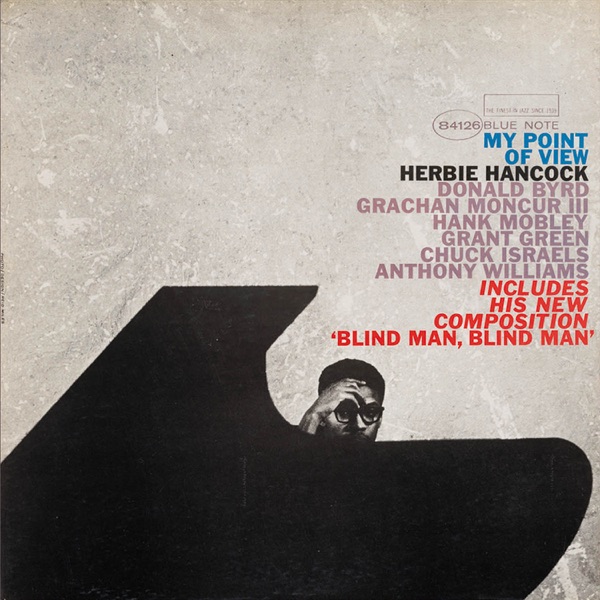
My Point of View 1963
Herbie Hancock
plays piano here
plays piano here
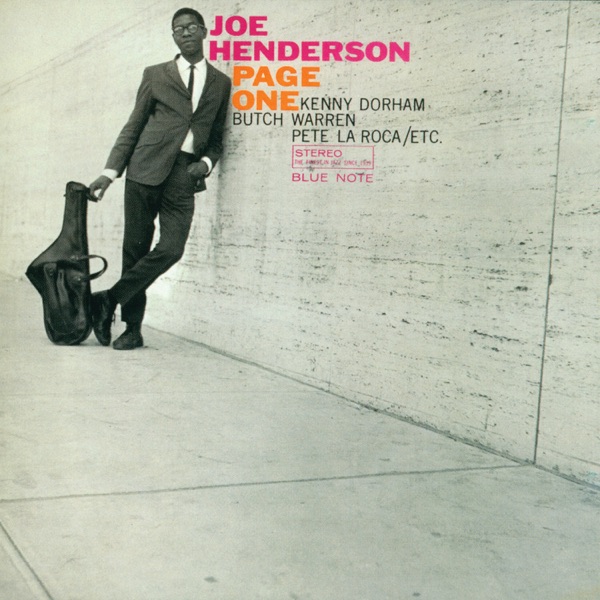
Page One 1963
Joe Henderson
plays tenor saxophone here
plays tenor saxophone here
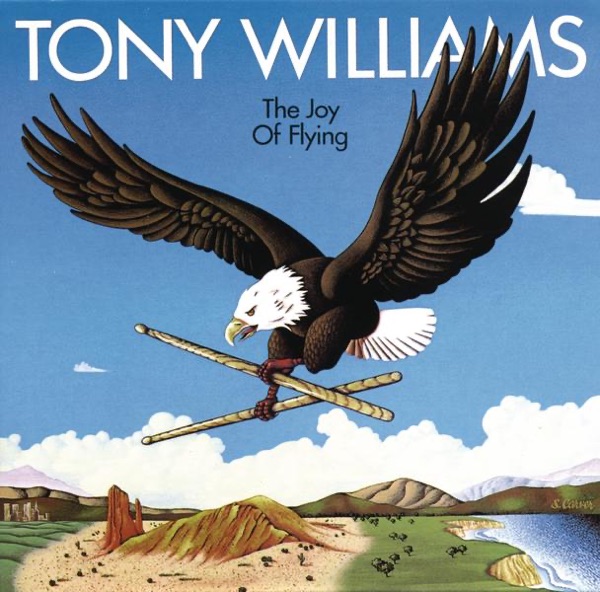
The Joy of Flying 1965
Tony Williams
plays drums (drum set) here
plays drums (drum set) here


