1960 · Album
The Complete Science Fiction Sessions
Recorded 1959-1960 · Atlantic Records · Produced by Nesuhi Ertegun
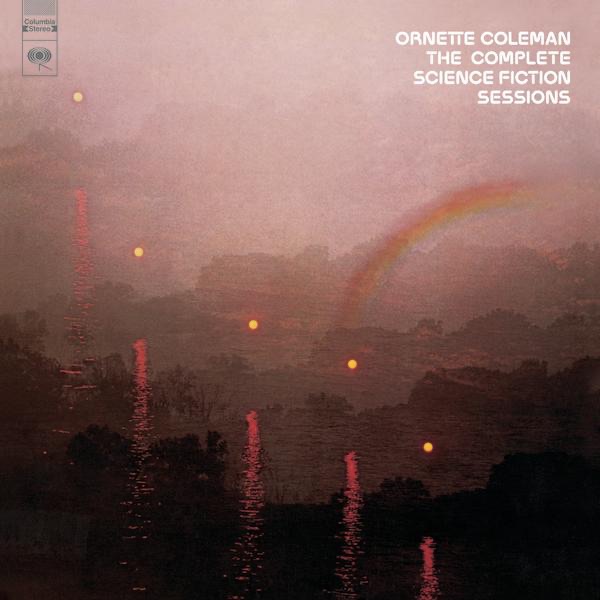
Free Playing in the Outer Limits
Coleman's sci-fi sessions prove that freedom in jazz doesn't mean chaos—it means listening harder.
Ornette Coleman didn't need a concept album gimmick to sound like he was from another planet. But The Complete Science Fiction Sessions leans into the idea anyway, and it works because the music stays weird without trying to be weird. These are straightforward blowing sessions where Coleman and his band treat the absence of chord changes like a liberation rather than a problem. No one's playing over invisible changes. They're listening to each other, reacting, building conversations that shift direction without warning. It's disorienting at first, then oddly natural.
By this point in his career, Coleman had already spent years pushing past the harmonic language everyone else took for granted. These sessions show what that freedom actually sounds like in practice—not abstract but utterly concrete. The horns move through space that feels bigger than normal jazz rooms. Tempos breathe and change. A tune can start one way and become something else entirely by the time it ends. If you've only heard Coleman's earlier Atlantic recordings, this captures something rawer and more experimental, less polished, more willing to let things get awkward if honesty demands it.
This isn't his most accessible work, and it's not the best entry point. Start with The Shape of Jazz to Come (1959) if you want the clearer picture of what he was reaching toward. But if you're already inside his world, these sessions matter because they show the actual laboratory work—the rehearsals, the trying-things-out, the moments where a new approach to group improvisation gets tested and refined. It's the thinking made audible, and for anyone serious about understanding how Coleman changed what jazz could be, that's essential.
Who's playing
Charlie Hadendouble bass
Ornette Colemanalto saxophone, trumpet
Dewey Redmantenor saxophone
Don Cherrytrumpet
Bobby Bradfordtrumpet
Ed Blackwelldrums
Billy Higginsdrums
Where next?
More by Ornette Coleman

The Shape of Jazz to Come 1959

New York Is Now 1968

Something Else!!!! The Music of Ornette Coleman
Change of the Century 1960
The musicians on this record
♫
Rejoicing 1984
Charlie Haden
plays double bass here
plays double bass here

The Avant-Garde 1966
Don Cherry
plays trumpet here
plays trumpet here

African Venus 1994
Dewey Redman
plays tenor saxophone here
plays tenor saxophone here
♫
The Oracle 1989
Billy Higgins
plays drums (drum set) here
plays drums (drum set) here


