1962 · Album
The Cannonball Adderley Sextet in New York
Recorded 1962 · Mercury Records

Six Voices Converge in a New York Studio
A sextet built on the Adderley brothers' chemistry, swinging hard with unexpected colors from Lateef's oboe.
The session that produced The Cannonball Adderley Sextet in New York (1962) brought together two brothers at the heart of modern hard bop alongside musicians who understood how to balance straightforward swing with subtle textural detail. Cannonball Adderley on alto and Nat Adderley on cornet formed the front line, backed by Joe Zawinul on piano, Sam Jones on bass, and Louis Hayes on drums—a rhythm section built for precision and lift. The addition of Yusef Lateef on oboe was the move that set this date apart. Lateef's reedy, occasionally mournful tone cut against the Adderley brothers' more conventional jazz vocabulary, creating tension that never felt forced.
What made this recording distinctive was how the arrangements let each voice breathe without sacrificing the ensemble's sense of purpose. Zawinul's comping was spare and intelligent, never cluttering the space Lateef needed, while Jones and Hayes locked into grooves that felt both relaxed and propulsive. The Adderley brothers played with the kind of familiarity that comes from years of working together—Nat's cornet often sitting lower in the mix, shadowing Cannonball's brighter alto, creating a warm counterpoint rather than fighting for dominance.
This is not a landmark record in the way some Blue Note sessions from the era became touchstones, but it shows what happens when musicians focused on straightforward swinging jazz decide to invite something slightly stranger into the room. It exists in the middle of Cannonball's prolific output—solid, engaging, and worth finding if you already know his work and want to hear him in a configuration that lets other voices matter as much as his own.
Who's playing
Sam Jonesdouble bass
Joe Zawinulpiano
Cannonball Adderleyalto saxophone
Louis Hayesdrums
Nat Adderleycornet
Yusef Lateefoboe
Where next?
More by Nat Adderley

The Cannonball Adderley Quintet in San Francisco 1959
♫
At the Lighthouse 1960

Introducing Nat Adderley 1955
♫
Naturally!: Nat Adderley Quartets 1961
The musicians on this record
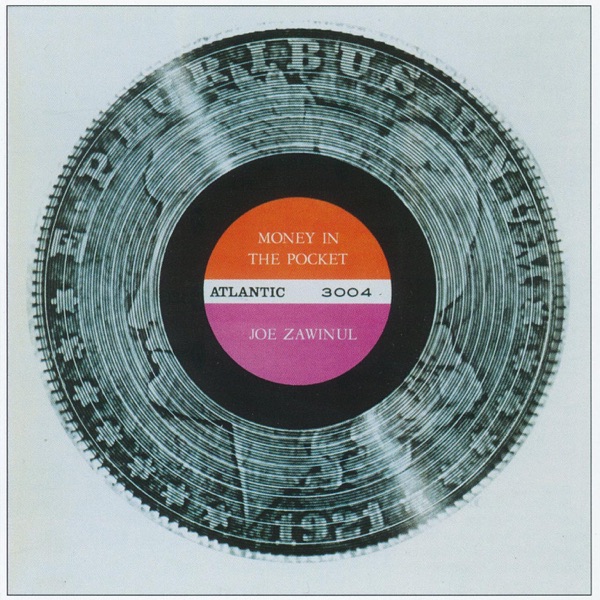
Money In The Pocket 1965
Joe Zawinul
plays piano here
plays piano here

Cannonball's Bossa Nova 1962
Cannonball Adderley
plays alto saxophone here
plays alto saxophone here

Eastern Sounds 1961
Yusef Lateef
plays oboe here
plays oboe here


