1961 · Album
Eastern Sounds
Recorded September 1961 · Prestige Records (Moodsville imprint)

Where East Meets Hard Bop
Lateef plays Chinese flute and oboe over swinging changes—proof that fusion didn't start in the seventies.
Eastern Sounds is the album where Lateef's experiment stops being novelty and becomes real language. By 1961, he'd already mixed Middle Eastern instruments into jazz on Prayer to the East (1957), but that record felt like exploration—tentative, a musician trying things. Here, four years later, he's fluent. The music swings without apology. Barry Harris on piano keeps everything grounded in hard bop changes; Ernie Farrow and Lex Humphries lock in tight. Lateef moves between tenor saxophone, flute, oboe, and the xun—a Chinese globular flute that opens the album with an almost ceremonial coolness—but he's not showing off. He's using each instrument as a color, not a gimmick.
The originals sit alongside film themes from Spartacus and The Robe, and Lateef makes them sound natural in this context, not squeezed. What matters is the ease. Nothing feels forced or museum-piece. A listener new to Lateef should start here because it answers the question his earlier work posed: what happens when you take non-Western sounds seriously inside a jazz quartet? This is the answer, and it's honest—sometimes restless, sometimes lyrical, always itself.
This is also the moment where Lateef's vision crystallized enough to survive repeated listening. The Penguin Guide to Jazz gave it 3.5 stars, which undersells what's happening musically, but the point is less about accolades and more about the record's clarity of purpose. Lateef wasn't a tourist. He was building a language that would sustain his work for decades.
Who's playing
Ernie Farrowdouble bass, rebab
Barry Harrispiano
Yusef Lateefflute, oboe, tenor saxophone
Lex Humphriesdrums
Where next?
More by Yusef Lateef

The Centaur and the Phoenix 1960
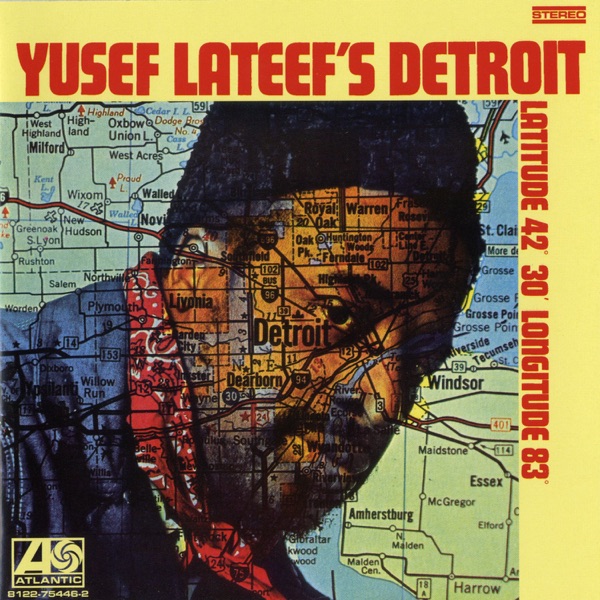
Yusef Lateef’s Detroit Latitude 42° 30′ Longitude 83° 1969

The Three Faces of Yusef Lateef 1960
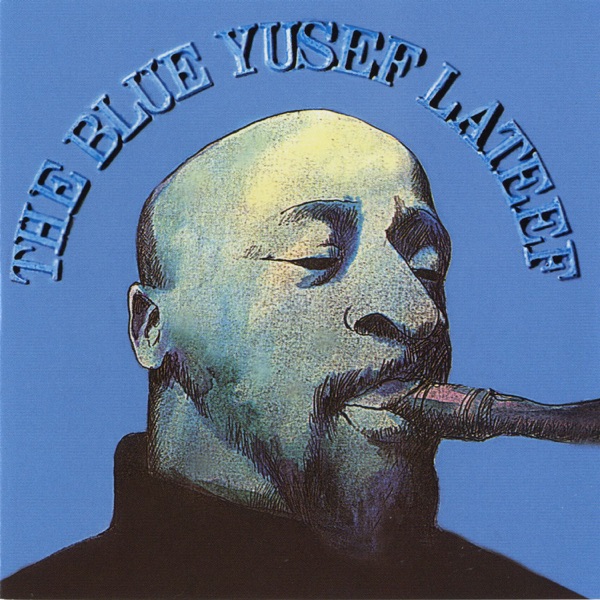
The Blue Yusef Lateef 1968
The musicians on this record
Their own records, close in time


