Dancing and Meditating in Blue
Blues you can dance to, but also meditate to and marvel at.
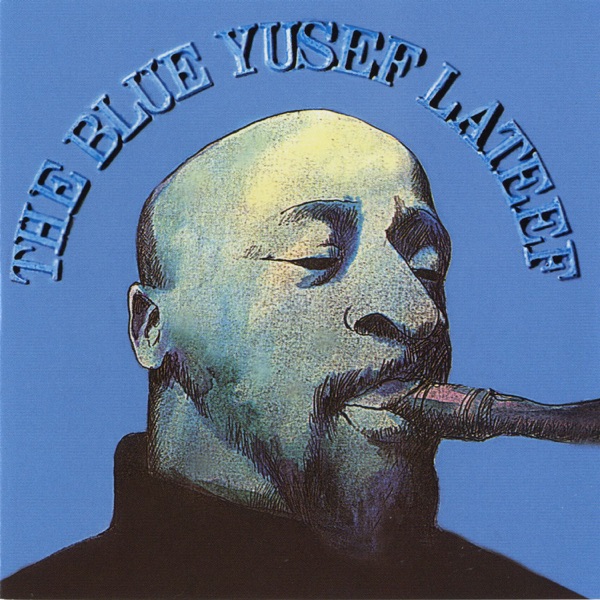
The Blue Yusef Lateef captures Yusef Lateef at a moment when jazz had stopped being a single conversation and become many at once. Recorded in 1968, this Atlantic session finds him embracing the full spectrum of his vision — not choosing between accessibility and experiment, but refusing to choose. The result is restless in the best way. Lateef moves between oboe, flute, tenor saxophone, and a battery of percussion and exotic instruments, treating them all as equal voices in a blues that doesn't sit still. These aren't overdubs or studio tricks; this is the sound of one musician thinking in multiple colors simultaneously, pushing against the edges of what jazz-blues fusion could be.
The album succeeds because it has conviction without pretense. AllMusic reviewer Thom Jurek nailed it: this is exactly the kind of record the '60s could produce — ambitious enough to pull in listeners who wanted something strange, grounded enough that you didn't need a Ph.D. to feel it. Tracks breathe and transform without losing sight of the blues root. Lateef doesn't decorate the form; he inhabits it from the inside out, using every texture in his arsenal to make the blues sound brand new.
This sits somewhere between Lateef's earlier Blue Note work and the fusion experiments coming at the decade's end. It's not a peak in a linear sense, but it matters because it proves a musician could honor tradition and shatter convention in the same breath. Worth seeking out not just for collectors but for anyone curious about how jazz handled the late '60s without either falling into pastiche or abandoning groove entirely.
Who's playing
Bob Cranshawbass
Cecil McBeebass
Hugh Lawsonpiano
Kenny Burrellguitar
Sonny Redalto saxophone
Blue Mitchelltrumpet
Roy Brooksdrums
Yusef Lateefwoodwind
Buddy Lucasharmonica
Alfred Brownviola
Selwart Clarkeviolin
Kermit Moorecello
Jesse James Tryonviolin
Where next?
More by Yusef Lateef

Eastern Sounds 1961

The Centaur and the Phoenix 1960
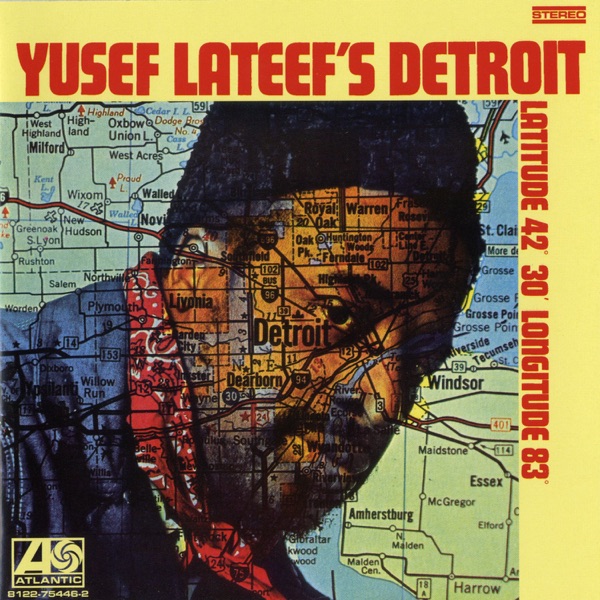
Yusef Lateef’s Detroit Latitude 42° 30′ Longitude 83° 1969

The Three Faces of Yusef Lateef 1960
The musicians on this record
Their own records, close in time