1963 · Album
The Body & The Soul
Recorded 1963 · Blue Note Records · Produced by Alfred Lion

When the Trumpet Speaks From the Heart
Hubbard plays with a directness that cuts through the arrangement, making every note feel necessary.
The Body & The Soul finds Freddie Hubbard in his prime, playing trumpet with a clarity and confidence that would define his best work. This isn't a debut—by this point he'd already proven himself as a reliable sideman and bandleader—but it's a record that shows him fully formed as a soloist. The album moves between uptempo burners and slower ballad work, and what strikes you is how Hubbard approaches both with the same commitment. He doesn't coast. On the faster tunes, his articulation is sharp and precise, his lines climbing and diving with purpose. On the ballads, he sits into the changes and lets the melody breathe, which is harder than it sounds.
The arrangements here give Hubbard room to work without overwhelming the music. There's space in these recordings—you hear the rhythm section clearly, the horn parts don't step on each other, and there's a real sense of conversation happening. The production is clean without being cold, which matters because sometimes early sixties jazz records can sound overly polished. This one has warmth. Hubbard's tone is full and centered, never strained even when he's pushing into the upper register, and there's a musicality to his phrasing that suggests he's listening to the other players, not just playing over them.
If you're building a Hubbard collection, this is worth having. It's not the album people point to as his absolute peak, but it's solid work from a musician who understood his instrument and what he wanted to say with it. Start here if you want to hear Hubbard in a straightforward, no-nonsense setting. It's direct jazz that doesn't need much explanation—just put it on and listen.
Who's playing
Reggie Workmanbass
Cedar Waltonpiano
Wayne Shortertenor saxophone
Charles Davisbaritone saxophone
Seldon Powelltenor saxophone
Jerome Richardsontenor saxophone
Freddie Hubbardtrumpet
Al De Risitrumpet
Ernie Royaltrumpet
Clark Terrytrumpet
Ed Armourtrumpet
Richard Williamstrumpet
Curtis Fullertrombone
Melba Listontrombone
Eric Dolphyflute
Louis Hayesdrums
Philly Joe Jonesdrums
Julius WatkinsFrench horn
Where next?
More by Freddie Hubbard
All 13 albums →


The musicians on this record

Out to Lunch 1964
Eric Dolphy
plays flute here
plays flute here

The All Seeing Eye 1966
Wayne Shorter
plays tenor saxophone here
plays tenor saxophone here
♫
The Two Sides of Jack Wilson 1964
Philly Joe Jones
plays drums (drum set) here
plays drums (drum set) here
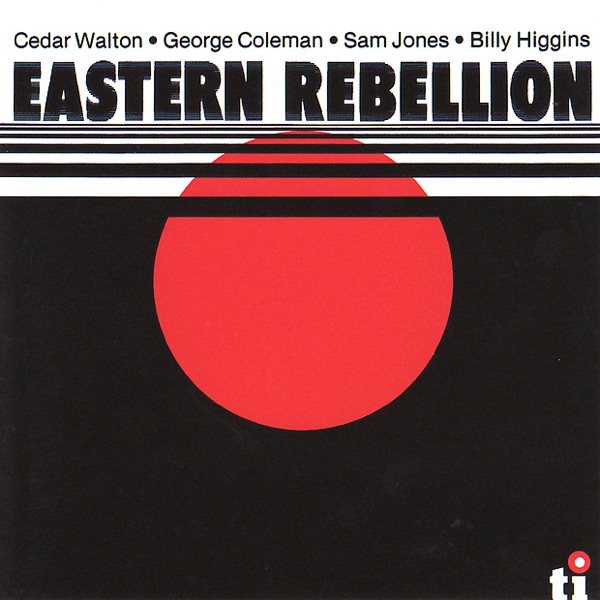
Eastern Rebellion 1975
Cedar Walton
plays piano here
plays piano here


