When the Trumpet Cuts Through the Noise
Morgan's trumpet burns with urgency here, backed by a rhythm section that refuses to settle.
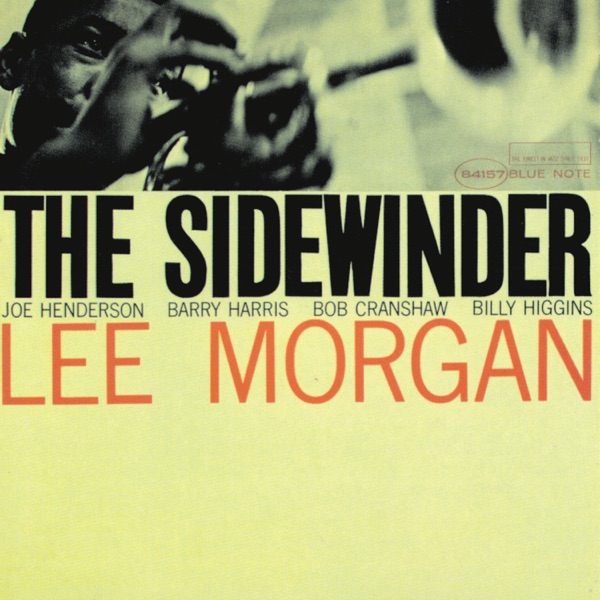
Sonic Boom hits different because Lee Morgan sounds genuinely angry. This isn't the smooth, accessible version of Morgan you might expect—there's a restlessness running through these sessions, a sense that the trumpeter has something to prove and not much patience for niceties. The horns come in hard, the rhythm section locks in tight, and Morgan's soloing cuts with real edge rather than the polished precision he'd become known for later.
What makes this stand out in Morgan's discography is the sheer forward momentum. The title track especially has this relentless energy, with the band pushing rather than swinging. Morgan's tone is brighter and sharper here than on some of his later, more famous recordings. You can hear him figuring out how to be both musical and aggressive without those two things canceling each other out. The arrangements give him room to stretch, but there's no excess—everything serves the urgency of the moment.
This is early Morgan, before he became the go-to guy for smooth soul-jazz crossovers. If you're already familiar with his more celebrated work, Sonic Boom shows you a different hunger. It's not his masterpiece—that would come elsewhere—but it's essential for understanding the full range of what Morgan could do. Start here if you want to hear him hungry. Come back to his later, more refined albums once you understand where he was coming from.
Who's playing
Ron Carterdouble bass
Cedar Waltonpiano
David “Fathead” Newmantenor saxophone
Lee Morgantrumpet
Billy Higginsdrums
Where next?
More by Lee Morgan
All 12 albums →


The musicians on this record
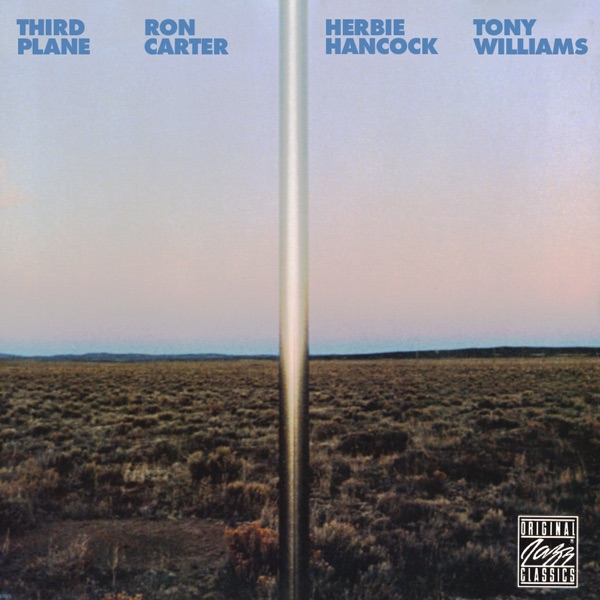
Third Plane 1978
Ron Carter
plays double bass here
plays double bass here
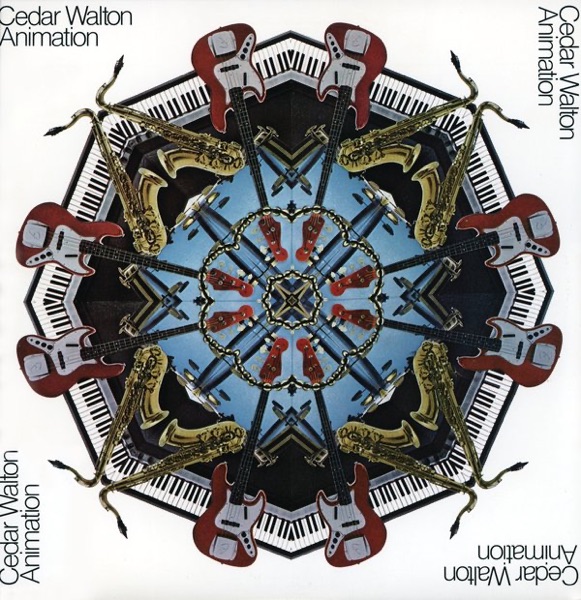
Animation 1978
Cedar Walton
plays piano here
plays piano here

Once More 1980
Billy Higgins
plays drums (drum set) here
plays drums (drum set) here