1978 · Album
Animation
Recorded 1978 · Columbia · Produced by Not specified in available sources
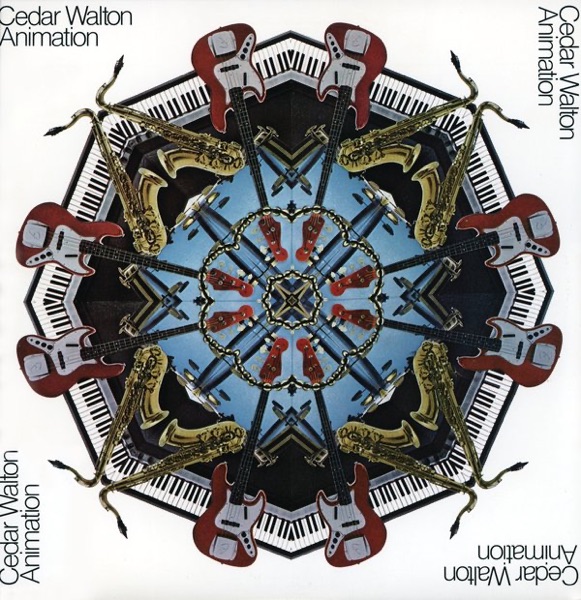
Cedar Walton in the Studio, 1978
Animation captures Walton at a confident moment, making deliberate choices about what to play and what to leave out.
Animation arrived in 1978 when Cedar Walton was already a seasoned player—someone who knew exactly what he wanted from a piano and a recording session. This album marks a point in his career where he had the clarity to pursue his own vision rather than serve as a sideman, which had been much of his earlier work. The recording took place with a specific vision in mind: a showcase for Walton's compositional sense and his ability to build momentum through carefully chosen material.
What makes Animation stand out is its directness. There's no overselling here—the sessions capture a pianist making economical choices, letting silence work as hard as the notes themselves. The tunes breathe. Walton doesn't clutter the space with unnecessary runs or flourishes; instead, he treats each composition as a vehicle for clarity and swing. DownBeat recognized this clarity and strength in the record, giving it a solid 4 out of 5 stars. That kind of rating doesn't come from novelty—it comes from a record that does what it sets out to do without apology.
For listeners approaching Walton's catalog, Animation works as a genuine entry point. It's neither his earliest work nor a career retrospective; it's a mid-career statement where his voice had matured but his energy hadn't dimmed. The album sits comfortably in the tradition of straightforward piano jazz—no fusion gestures, no attempts to chase trends. It's exactly what the title suggests: movement, purpose, and a pianist clearly enjoying the act of playing.
Who's playing
Tony Dumasbass
Cedar Waltonpiano
Bob Bergsaxophone
Steve Turretrombone
Al Fosterdrums
Buddy Williamsdrums
Paulinho da Costapercussion