Johnny Hodges Steps Forward, Ellington Steps Back
A working session that stayed in print because the music never quit talking.
When Side by Side (1959) arrived, it landed as a natural follow-up to Back to Back: Duke Ellington and Johnny Hodges Play the Blues, but this time the billing reversed the usual hierarchy. Hodges moved front and center while Ellington took a supporting role, appearing on only three tracks. Critics noticed right away. AllMusic and DownBeat both gave it four stars, and The Penguin Guide to Jazz Recordings matched that rating, marking it as a solid, reliable record. The album didn't become a cult obsession or a commercial juggernaut—it simply stayed in print, which says something cleaner: listeners kept buying it because it worked.
What makes it work is straightforward. Hodges anchors every track with that warm, vocal tone of his, and the backing players know their job. Duke Ellington and Billy Strayhorn handle piano duties with the restraint the sessions needed, neither player crowding Hodges's space. Ben Webster on tenor and Harry "Sweets" Edison on trumpet trade turns with genuine ease; this wasn't a showcase album where sidemen competed for attention. Even the rhythm section—Al Hall and Wendell Marshall on bass, Les Spann on guitar—stayed locked and functional.
It's not a peak moment in either Hodges's or Ellington's discography, but it's a strong, unpretentious session where everything landed where it should. The decision to let Hodges lead proved the right one. No grand statements, just musicians playing well together and staying in print because people still wanted to hear it.
Who's playing
Al Hallbass
Wendell Marshallbass
Duke Ellingtonpiano
Billy Strayhornpiano
Les Spannguitar
Johnny Hodgesalto saxophone
Ben Webstertenor saxophone
Harry “Sweets” Edisontrumpet
Roy Eldridgetrumpet
Lawrence Browntrombone
Jo Jonesdrums
Where next?
More by Johnny Hodges
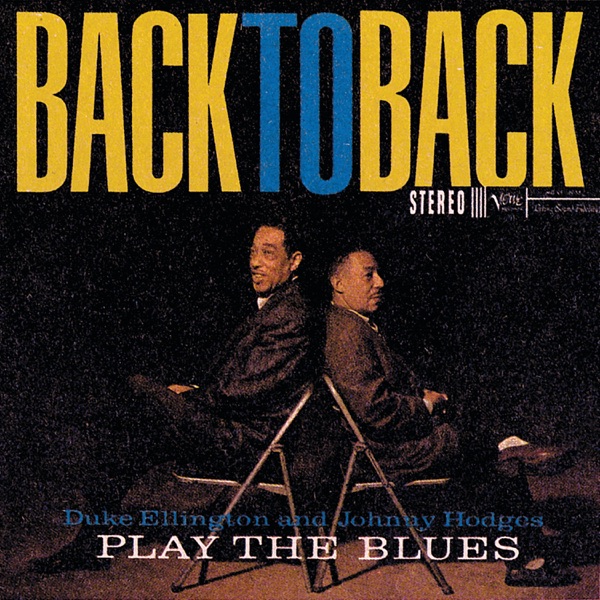
Back to Back: Duke Ellington and Johnny Hodges Play the Blues 1959

3 Shades of Blue 1970

Everybody Knows 1964

Stride Right 1966
The musicians on this record

Money Jungle 1962
Duke Ellington
plays piano here
plays piano here
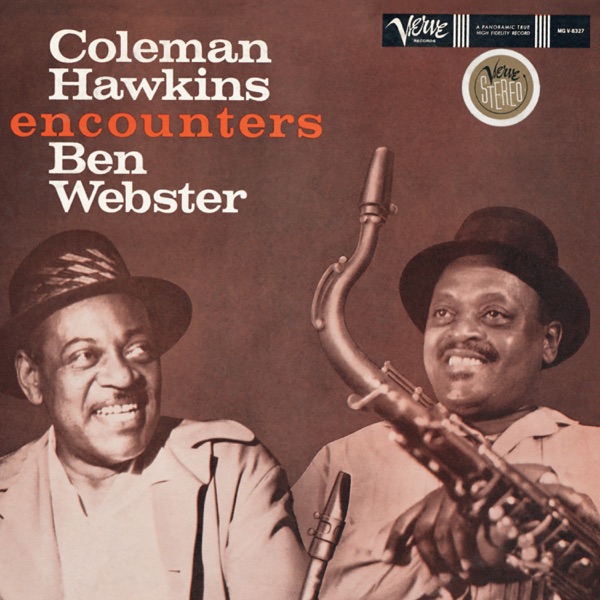
Coleman Hawkins encounters Ben Webster 1959
Ben Webster
plays tenor saxophone here
plays tenor saxophone here
♫
Cue for Saxophone 1959
Billy Strayhorn
plays piano here
plays piano here
♫
Roy's Got Rhythm 1956
Roy Eldridge
plays trumpet here
plays trumpet here