The Man Behind the Curtain
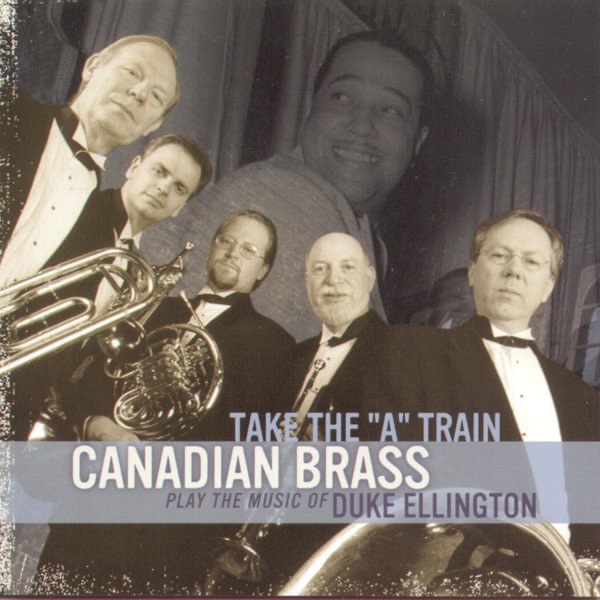
Strayhorn grew up in Pittsburgh, largely self-taught at the piano, and by his late teens he was writing with a harmonic sophistication that most trained composers don't reach in a lifetime. He met Duke Ellington in 1938 backstage after a concert, handed him some original compositions, and within months had moved to New York to work inside the Ellington organization. That relationship would define — and complicate — the rest of his life.
The working arrangement between Strayhorn and Ellington was genuinely unusual. Strayhorn functioned as arranger, composer, second pianist, and trusted confidant all at once. He could finish an Ellington piece, or start one that Ellington would finish, and the seams rarely showed. Ellington called him his right arm, and you can take that literally: when Ellington needed something in a hurry, Strayhorn delivered. But that closeness also meant Strayhorn's individual contributions were routinely absorbed into the Ellington brand, uncredited or underacknowledged for years.
'Lush Life' is the piece that blows the lid off the myth that Strayhorn was purely a collaborator. He wrote it as a teenager in Pittsburgh — the lyrics, the melody, the chord changes — and it's one of the most harmonically adventurous songs in the American songbook. The chord movement is restless in a way that feels more like mid-century classical music than anything coming out of Tin Pan Alley at the time. When you sit down and actually listen to it, you realize this kid was doing something nobody around him was doing.
His piano playing tends to get overshadowed by his writing, which is a shame. He had a touch that was quiet and deliberate, almost introspective. He didn't compete with the big-band energy around him — he worked against it, which gave his playing a particular kind of stillness. The small-group recordings he made, like The Peaceful Side (1961), are worth seeking out specifically because they let you hear him outside the Ellington machinery.
Strayhorn was also openly gay at a time when that carried serious professional and personal risk, and he navigated it with a dignity that people around him respected and rarely commented on publicly. He died of esophageal cancer in 1967, and the outpouring from the jazz world was immediate. Duke Ellington recorded …And His Mother Called Him Bill (1967) as a direct tribute, and it's one of the most emotionally direct things Ellington ever put on tape. If you want to understand what Strayhorn meant to the people who knew his work up close, start there.