1973 · Album
Light as a Feather
Recorded 1972-1973 · Polydor · Produced by Chick Corea, Bill Evans

When Jazz Became Weightless and Soaring
Light as a Feather proved fusion could be both accessible and genuinely inventive, without sacrificing musicianship.
Return to Forever's Light as a Feather (1973) arrived at exactly the right moment—when fusion was becoming unavoidable, when rock audiences were ready for something stranger, and when Chick Corea had figured out how to make the electric piano sound like it was floating. This is the album that introduced millions of people to what happens when you take the harmonic sophistication of bebop, wrap it around hypnotic grooves, and let everyone play like they're having the time of their lives. It's their most direct path to listeners, and honestly, it's probably where you should start if you're curious about the band.
The group here—Corea on keyboards, Stanley Clarke on bass, Lenny White on drums, and Joe Farrell on saxophone and flute (Farrell brings a soulful, almost vocal quality to the horn lines)—operates with a precision that sounds effortless. Tracks like "Spain" move with such certainty that you forget to question whether jazz is supposed to sound this smooth or this propulsive. "Captain Marvel" has this almost R&B-influenced pocket that would've seemed impossible just a few years earlier. What makes this different from some of the slicker fusion that came after is that the musicianship never gets buried—Clarke's bass lines are genuinely inventive, not just keeping time, and White's drumming has this dancing quality that keeps everything breathing.
This isn't their only great album, and it's not some unrepeatable peak, but it's the one that stuck around. It got reissued repeatedly across decades because it actually sounds like what people wanted fusion to be—not a compromise between two worlds, but a third place entirely. If you've heard other fusion records that left you cold, this one works differently. It's straightforward enough to enjoy immediately, but there's enough going on underneath that you'll keep hearing new things.
Who's playing
Where next?
More by Return to Forever

Romantic Warrior 1976
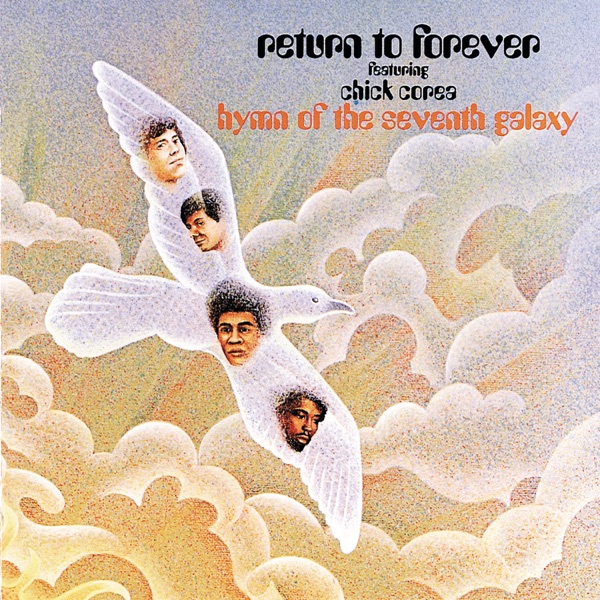
Hymn of the Seventh Galaxy 1973

Where Have I Known You Before 1974

No Mystery 1975
The musicians on this record

Crystal Silence 1973
Chick Corea
plays electric piano here
plays electric piano here
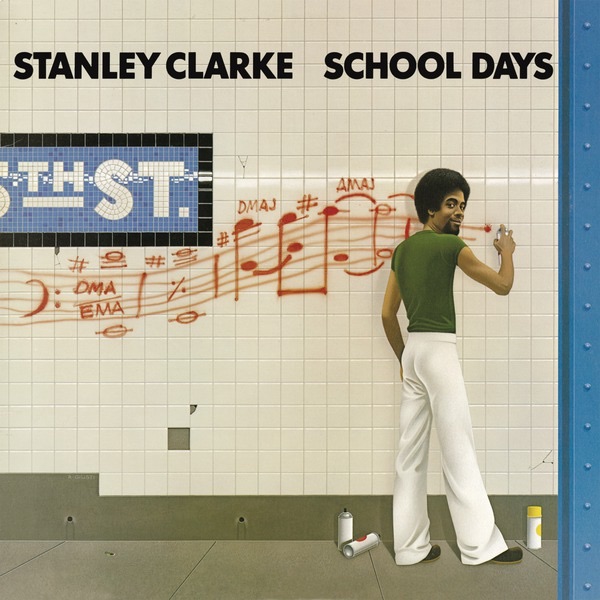
School Days 1976
Stanley Clarke
plays bass here
plays bass here
♫
Virgin Land 1974
Airto Moreira
plays drums (drum set) here
plays drums (drum set) here



