
When Brubeck Slows Down to Listen
Love Songs strips away the complexity Brubeck was famous for, letting melody breathe.
By the time Dave Brubeck recorded Love Songs (1959), he'd already proven he could handle odd time signatures and intricate arrangements better than almost anyone in jazz. Time Out had just come out the year before and was starting to get serious attention. So Love Songs feels like a deliberate choice to do something simpler, more direct. These are ballads and standards played with restraint, which is not what you expect from Brubeck.
What's striking is how much space there is here. The tunes breathe. "Autumn Leaves" becomes something almost tender rather than a vehicle for display. "The Girl from Ipanema" moves at its own pace instead of rushing. Brubeck's piano work is still recognizably his—there's a particular harmonic approach that shows through—but he's not trying to impress anyone. The arrangements are economical, giving each song room to unfold without clutter. If you know Brubeck primarily from his more complex work, this might actually feel refreshing, or it might feel like he's holding back. Depends what you're looking for.
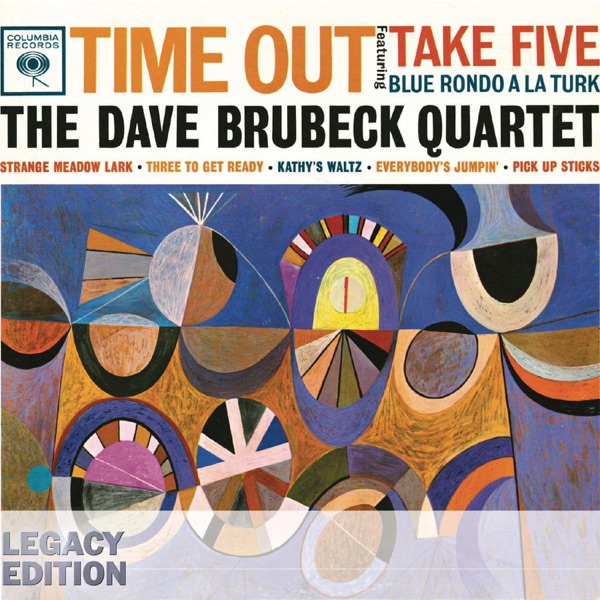
This isn't his masterpiece, and it's not the place to start with Brubeck unless you specifically want ballads. Time Out (1959) is the stronger, more influential record from this period—that's where his actual innovations live. But Love Songs matters because it shows he understood that knowing when not to play is just as important as knowing how. It's a record for people who already like Brubeck and want to hear him in a different mood.
Who's playing
Where next?
More by Dave Brubeck
All 14 albums →


The musicians on this record
Their own records, close in time


